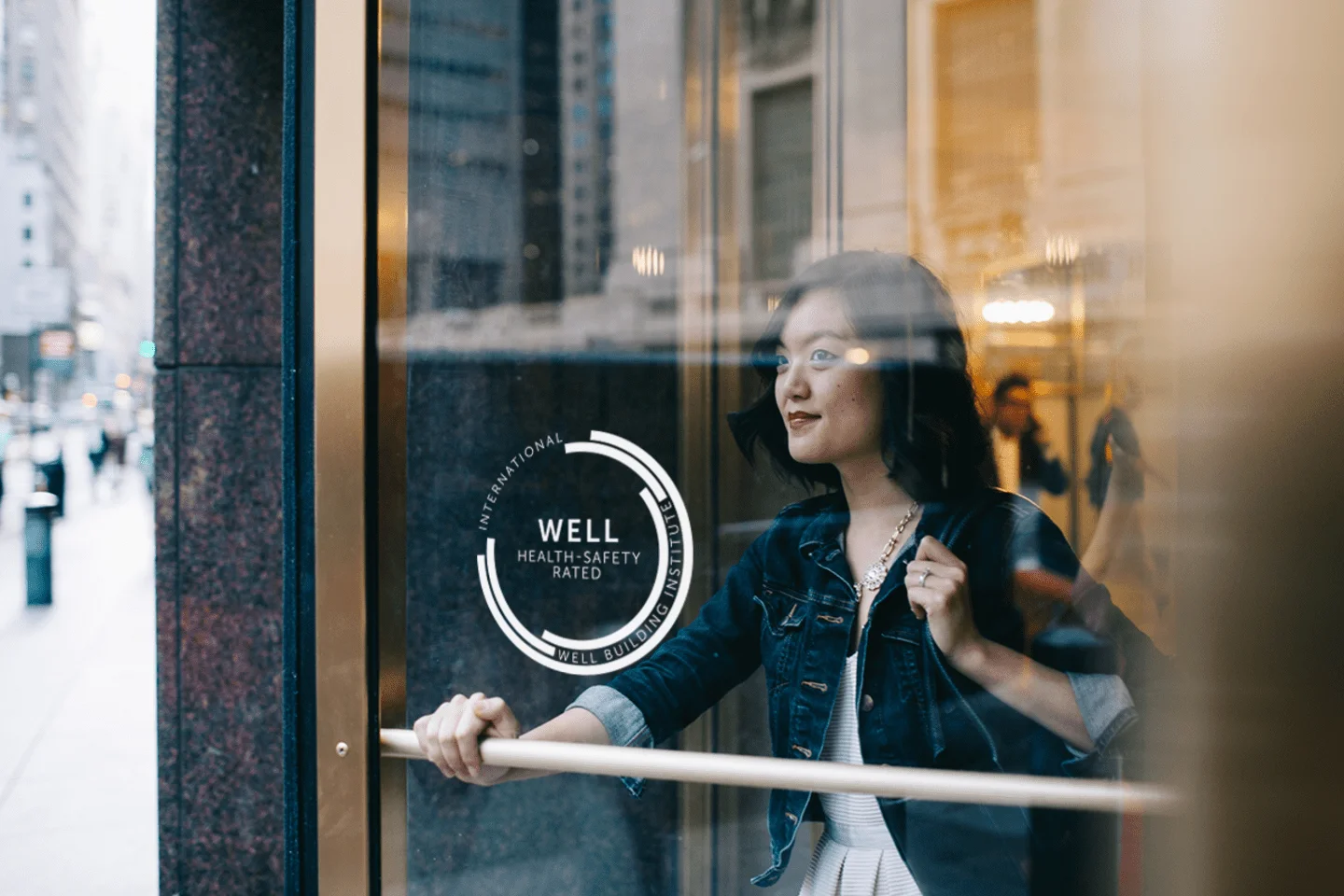
Cape Town came within weeks of becoming the first major city in the world to run out of running water during the 2018 'Day Zero' crisis, and since then, water management has stopped being a public infrastructure issue and become a direct operational continuity risk for any building. Add to that load-shedding — the scheduled power cuts Eskom applies recurrently — which affects ventilation, lighting, and thermal comfort in offices and plants across the country. WELL is the only standard that explicitly certifies water quality and management (with on-site potability testing) and occupants' thermal and lighting comfort, including protocols for maintaining healthy conditions during service interruptions — exactly the two risks a South African building faces today.
Water and energy risk diagnosis: we assess the building's water infrastructure and electrical backup systems against WELL's Water and Thermal Comfort concept requirements.
Concept-based strategy: we prioritize Water, Thermal Comfort, Light, and Mind, the concepts most relevant to South Africa's context, without neglecting the rest of the standard.
On-site performance verification: we coordinate the physical water and air quality tests an IWBI-accredited performance testing agent must carry out before the certificate is issued.
GBCI certification and three-year recertification: we manage seal issuance and its renewal every three years, a cycle that requires maintaining performance, not just achieving it once.
IWBI's fees are calculated by built-area range, plus the cost of on-site performance verification — physical water and air quality tests — exclusive to WELL. In a water- and energy-risk context like South Africa's, this verification carries extra value: it confirms backup and water management systems actually work under real conditions, not just on paper. The full process takes 12 to 18 months from registration and requires recertification every three years.

Yes. WELL's Water concept requires on-site drinking water quality testing and promotes consumption reduction and reuse strategies, directly relevant in a country where water security can no longer be taken for granted.
WELL requires occupants to maintain healthy thermal and lighting comfort even during power interruptions, pushing buildings to incorporate well-designed backup systems as part of their certification strategy.
The market is still emerging compared to Europe or North America, but it's growing, driven by Johannesburg and Cape Town's financial and services sectors. Leaf works with IWBI-accredited performance testing agents to run the full process in the country.
Leaf Global. Copyright © 2026. All rights reserved.