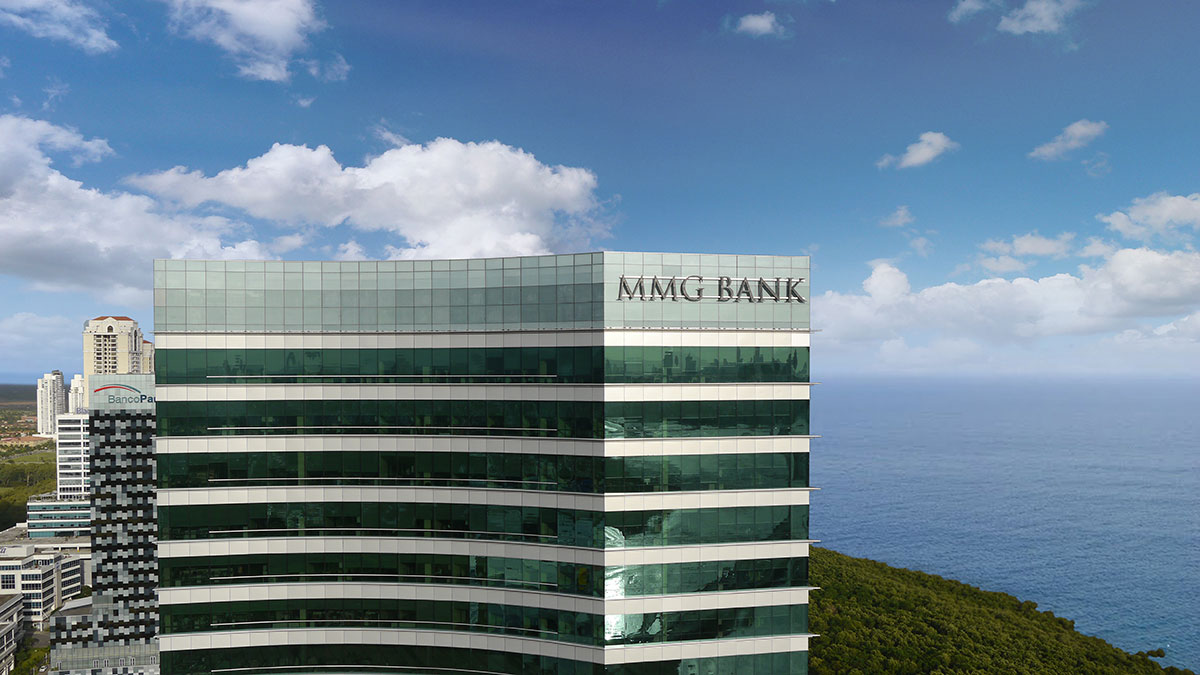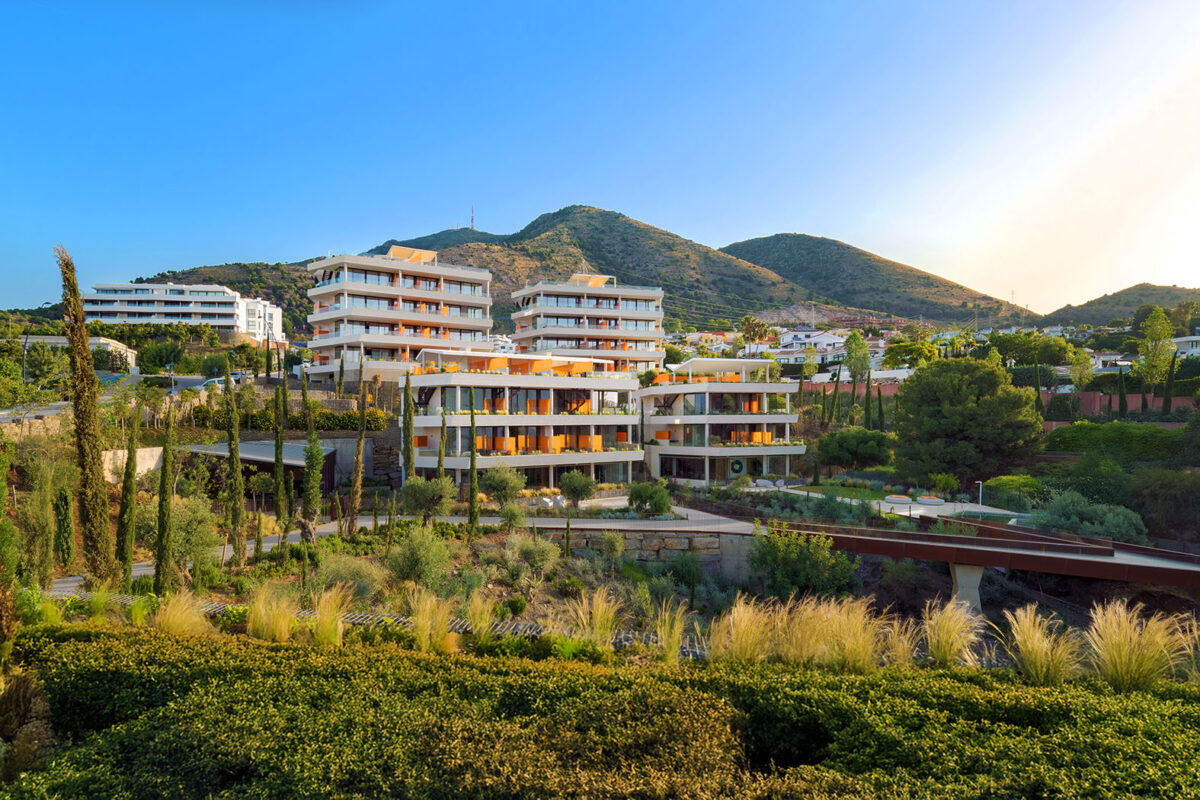
The upper-middle and high-end housing buyer's questions have changed: where they once focused on finishes and generic amenities, today they ask about air quality, natural light, and noise — a direct consequence of years of remote and hybrid work that turned the home into an office, gym, and rest space all at once. WELL Multifamily Residential is the standard's pathway designed specifically for housing, and it certifies exactly those variables with on-site performance testing, not marketing brochures. For a developer, that means being able to prove with data something competitors can only promise: that the building genuinely protects the health of the people who live there.
Residential design diagnosis: we assess the project against WELL Multifamily Residential's requirements in common areas and private units, identifying the lowest-cost, highest-impact adjustments for the buyer experience.
Concept-based strategy: we prioritize Air, Water, Light, and Movement — the concepts that weigh most in a housing purchase decision — without neglecting the rest of the standard.
On-site performance verification: we coordinate the physical air and water quality tests an IWBI-accredited performance testing agent carries out in representative units and common areas before certification.
GBCI certification and marketing materials: once the seal is obtained, we prepare materials the sales team can use to differentiate the project from uncertified competitors.
IWBI's fees are calculated by built-area range, plus the cost of on-site performance verification — physical air and water quality tests carried out in representative units and common areas — exclusive to WELL. Construction cost premiums vary by target level (Bronze to Platinum), but in most residential projects concentrate on air filtration systems, humidity control, and low-VOC material selection. The full process takes 12 to 18 months from registration and requires recertification every three years to keep the seal active.

WELL Multifamily Residential certifies the whole building, including common areas and a representative sample of private units, similar to how LEED certifies complete residential buildings rather than individual apartments.
Yes. While the luxury segment was first to adopt WELL, more upper-middle-range developments are using it as a differentiator, especially in markets where hybrid work increased the value placed on home quality as both a living and working space.
12 to 18 months on average from registration, including the on-site performance testing period. Involving Leaf from schematic design reduces the risk of costly redesigns to meet prerequisites.
Leaf Global. Copyright © 2026. All rights reserved.