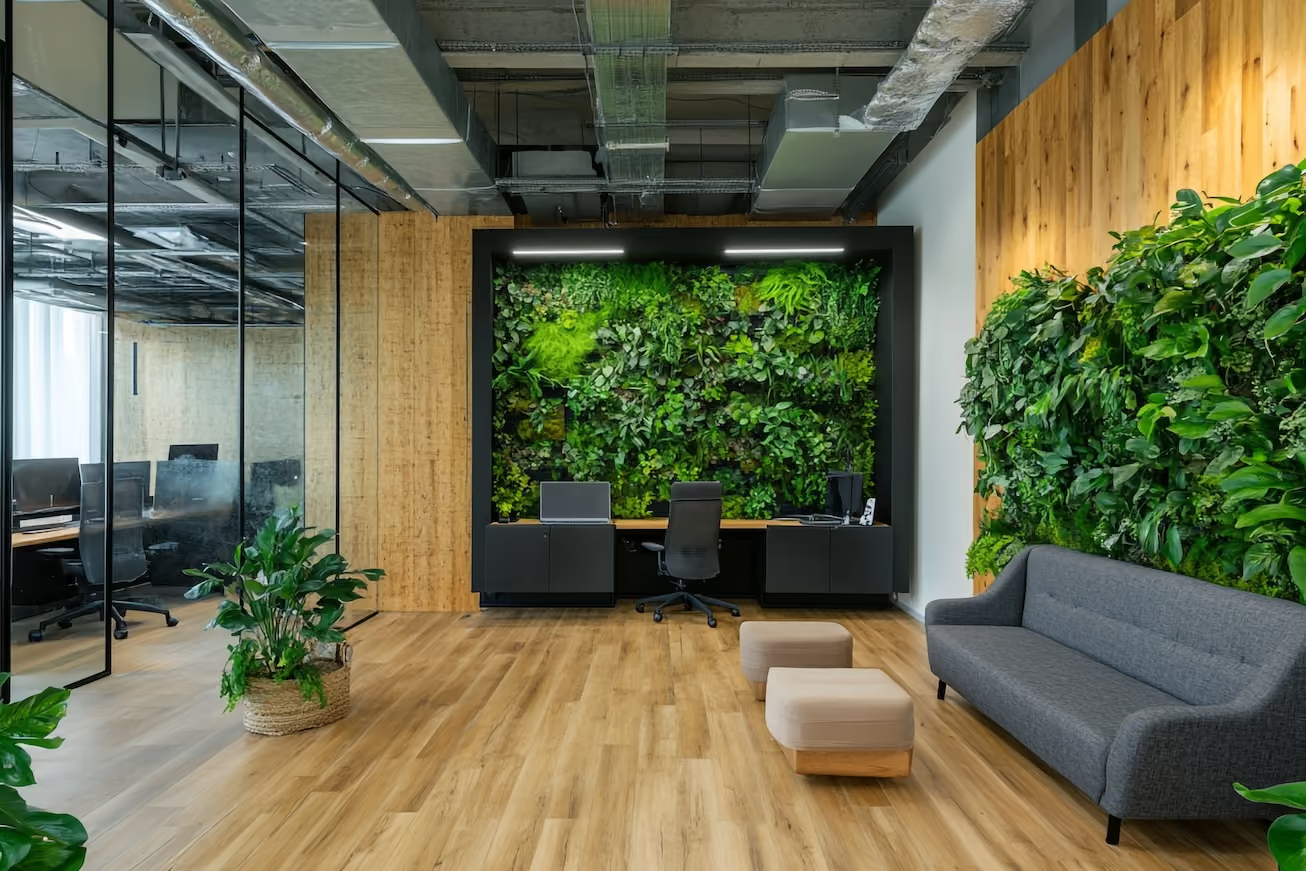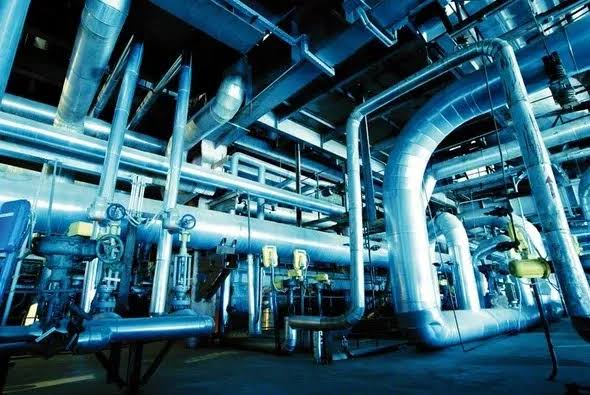
In industrial parks and logistics centers, the biggest headache is no longer just installed capacity: it's hiring and keeping operators. Turnover in manufacturing and logistics is high across the region, and behind it are usually causes closely tied to the building: makeshift cafeterias, long shifts with nowhere real to rest, heat inside the warehouse, limited drinking water, unsafe walking routes between the parking lot and the entrance, and long commutes without proper transportation. Fitwel, created by the U.S. CDC and GSA, also applies to industrial buildings through its workplace scorecard, and it certifies exactly those aspects: decent break areas and cafeterias, drinking water, healthy food, safe pedestrian routes, access to transportation, lactation rooms and emergency protocols. For industrial park developers and nearshoring companies, it's a concrete argument for tenants and HR teams that need to stop recruiting every month.
Operations assessment: we evaluate the warehouse, plant or logistics center against the applicable Fitwel scorecard, focusing on cafeterias, breaks, hydration, walking routes and staff transportation.
Registration and strategy: we register the project with Fitwel and set the target level, from one to three stars, together with operations, industrial safety and HR.
Implementation: we coordinate cafeterias, break areas, water stations, lactation rooms and safe pedestrian routes, and draft policies on healthy food, smoke-free spaces and emergencies.
Certification: we submit the documentation, secure the seal valid for three years and set up the recertification plan.
Fitwel charges a registration fee and a per-building certification fee, with special terms for portfolios, useful for industrial parks with several warehouses. Since it doesn't require on-site performance testing, the total cost is well below WELL's. Physical investment usually focuses on cafeterias, break areas, water stations, pedestrian route markings and lactation rooms. The process takes 4 to 8 months for existing buildings, and certification is valid for three years.

Both. Fitwel's workplace scorecard is used in plants, warehouses and logistics centers, focusing on the areas staff use: cafeterias, break areas, entrances, walking routes, transportation and safety protocols.
No. Industrial safety regulations are mandatory and cover operational risks. Fitwel is voluntary and focuses on staff's overall wellbeing: food, rest, hydration, mobility and mental health. They complement each other.
Yes. Fitwel offers special terms for portfolios, allowing a developer to certify several warehouses in the same park through a coordinated process at a lower cost per building.
Leaf Global. Copyright © 2026. All rights reserved.