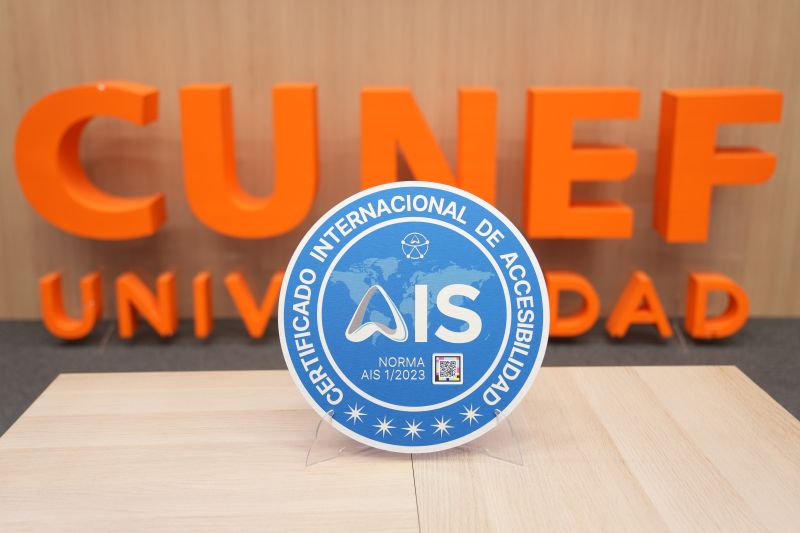
The 2016 National Disability Survey (ENDIS) estimated that around 10% of Guatemalans live with a disability. The Law for the Care of Persons with Disabilities (Decree 135-96) requires accessibility in public buildings and private buildings open to the public, but there is no detailed national technical standard and no systematic verification, and it shows on the street: high curbs, entrances with steps, parking lots with no reserved spaces and shopping centers where the only accessible restroom is on another floor or doubles as a storeroom. That lack of clear rules is also an opportunity. Companies that serve the public, hotels welcoming international tourists in Antigua and Atitlán, and multinationals with contact centers and shared service centers in Guatemala City need an objective standard to know whether their spaces are accessible and to prove it to customers and headquarters. AIS certification, from Fundación ARS, offers exactly that: an on-site assessment with international criteria and a 1 to 5 star rating published in a public registry.
On-site assessment: we walk the building from the parking lot to the emergency exit and measure entrances, ramps, elevators, restrooms, counters and signage against AIS criteria and Decree 135-96.
Realistic upgrade plan: we prioritize gaps by impact and cost, with solutions your maintenance team and local suppliers can deliver without disrupting operations.
Implementation and training: we support the upgrades and train reception, security and emergency teams to assist and evacuate people with different disabilities.
Certification and registry: we manage verification with Fundación ARS, which issues the certificate with its star rating and publishes it in the AIS Public Registry.
The cost of AIS depends on the type of asset (physical space, website or product), its size and its complexity, and includes the authorized advisor's assessment and support plus Fundación ARS certification fees. Investment in upgrades is the most variable part: in existing offices, hotels and shops, many gaps are closed with ramps, signage, grab bars, reserved parking and restroom adjustments, and only some require construction. For an operating building with minor upgrades, the process usually takes 3 to 6 months from assessment to certificate.

AIS takes current legislation as its base, in this case Decree 135-96 and its regulations, and complements it with its own technical criteria, applied in more than 30 countries. Your project is assessed against clear, comparable parameters even where local regulation doesn't spell them out.
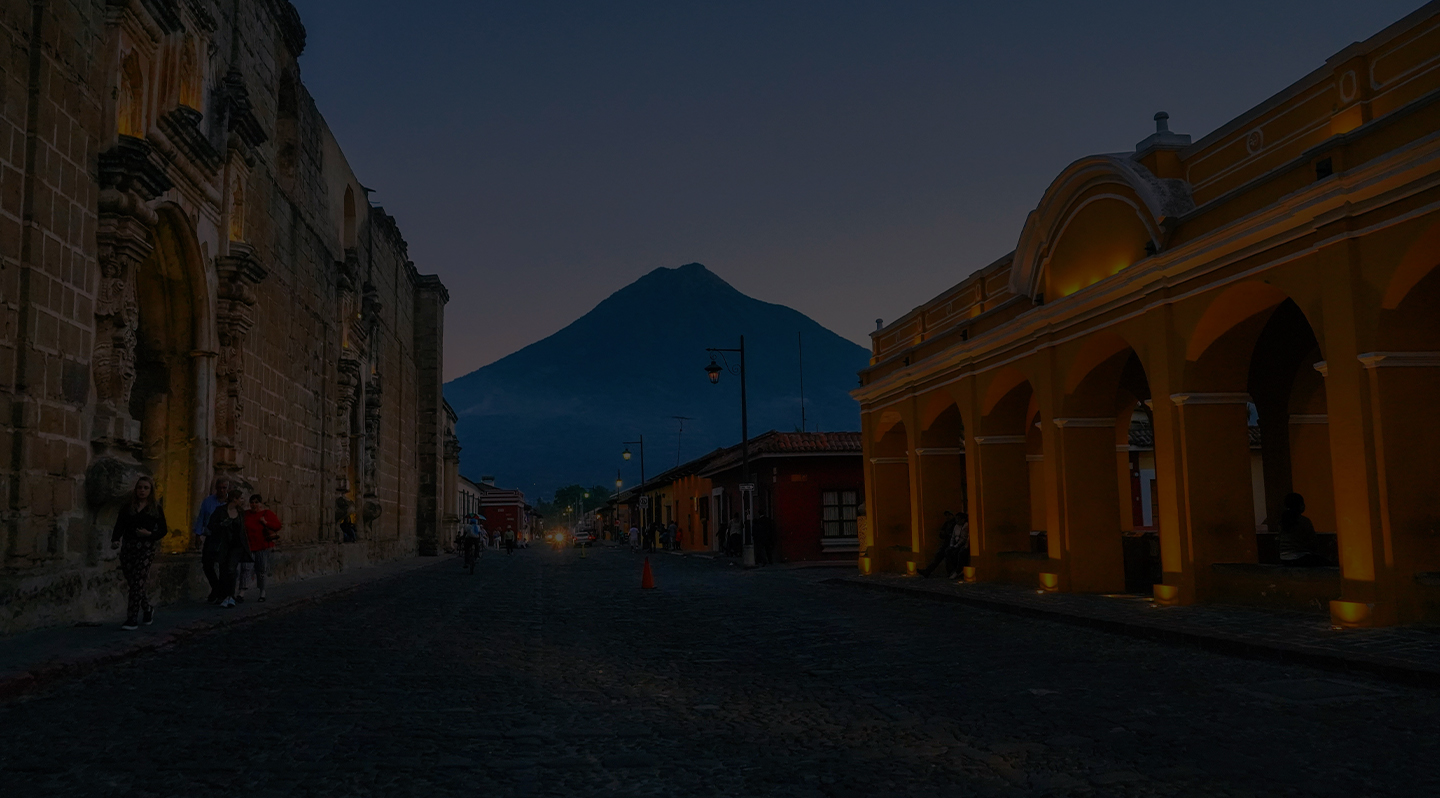
Yes, with adapted solutions. In protected properties it's not always possible to alter facades, stone floors or original staircases, but you can add removable ramps, alternative routes, adapted restrooms and signage, in coordination with the National Council for the Protection of Antigua Guatemala.
It depends on the gaps found in the assessment. In offices already in operation, many upgrades are solved with furniture, signage and restroom adjustments, and the full process usually takes 3 to 6 months. If larger works are needed, we plan the upgrade in phases so operations aren't affected.
Leaf Global. Copyright © 2026. All rights reserved.