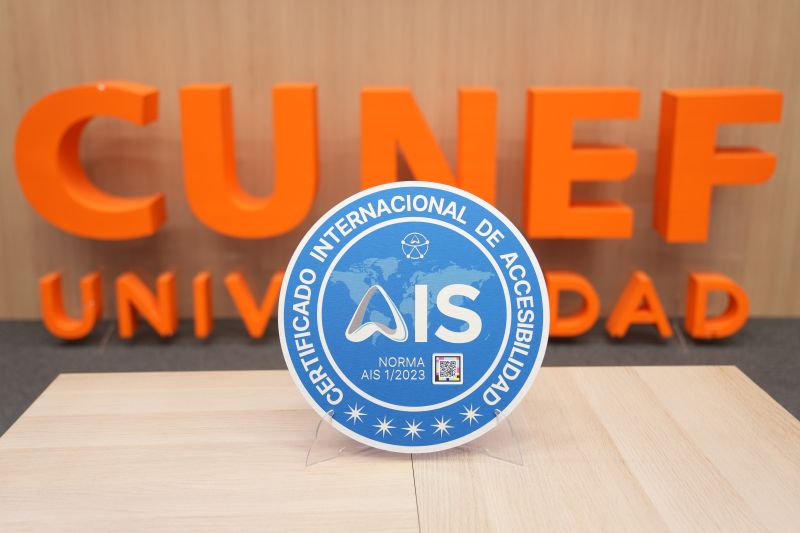
Almost every mid-sized and large company in the region now has a diversity and inclusion policy, targets for hiring people with disabilities and a sustainability report that talks about them. Many are also subject to legal quotas: 3% in Peru, 2% to 5% in Brazil, 1% in Chile. The problem shows up when the new hire arrives at the office: turnstiles a wheelchair can't pass through, a step in the lobby, elevators with no floor announcements, kitchenettes with cabinets at impossible heights, meeting rooms with no space to turn, an accessible restroom turned into storage and an evacuation plan that never considered them. That's where months of recruiting are lost, because the person quits and the company is out of compliance again, and where credibility is lost with employees who see the gap between the message and the building. For office building owners, that same gap is a leasing argument: corporate tenants already ask for provable accessibility. AIS certification, from Fundación ARS, assesses the full journey, from parking and the lobby to workstations, support areas and evacuation, and recognizes the result with 1 to 5 stars in a public registry.
Employee journey assessment: we assess parking, lobby, access control, elevators, office floors, workstations, meeting rooms, kitchenettes, restrooms and escape routes against AIS criteria.
Prioritized improvement plan: we rank gaps by impact and cost and separate what's the landlord's responsibility from what's the tenant's, so investments and responsibilities are coordinated.
Implementation and training: we support facilities and contractors through the upgrades and train reception, security and emergency teams to assist and evacuate people with disabilities.
Certification and communication: we manage verification with Fundación ARS, which issues the certificate with its star rating and publishes it in the AIS Public Registry, and help HR and communications share it accurately.
The cost of AIS depends on the type of asset (physical space, website or product), its size and its complexity, and includes the authorized advisor's assessment and support plus Fundación ARS certification fees. In existing offices, most gaps are solved with low-cost adjustments: lobby ramps, adapted access control, audible announcements and accessible buttons in elevators, dual-height kitchenette furniture, accessible restrooms that are actually available, signage and visual alarms. For an operating office or building with minor upgrades, the process usually takes 3 to 6 months from assessment to certificate.

Yes. A tenant can certify its own space, as long as the route from the street to the office is accessible. If the base building has gaps in the lobby, elevators or shared restrooms, the assessment identifies them so you can negotiate with the landlord, who often fixes them because they benefit other tenants too.
With costs that already exist: recruiting, training and replacing someone who quits after a few months is expensive, and in countries with quotas non-compliance brings fines. Most office upgrades are low-cost, such as furniture, signage, grab bars or visual alarms, and they solve a problem that would otherwise keep repeating.
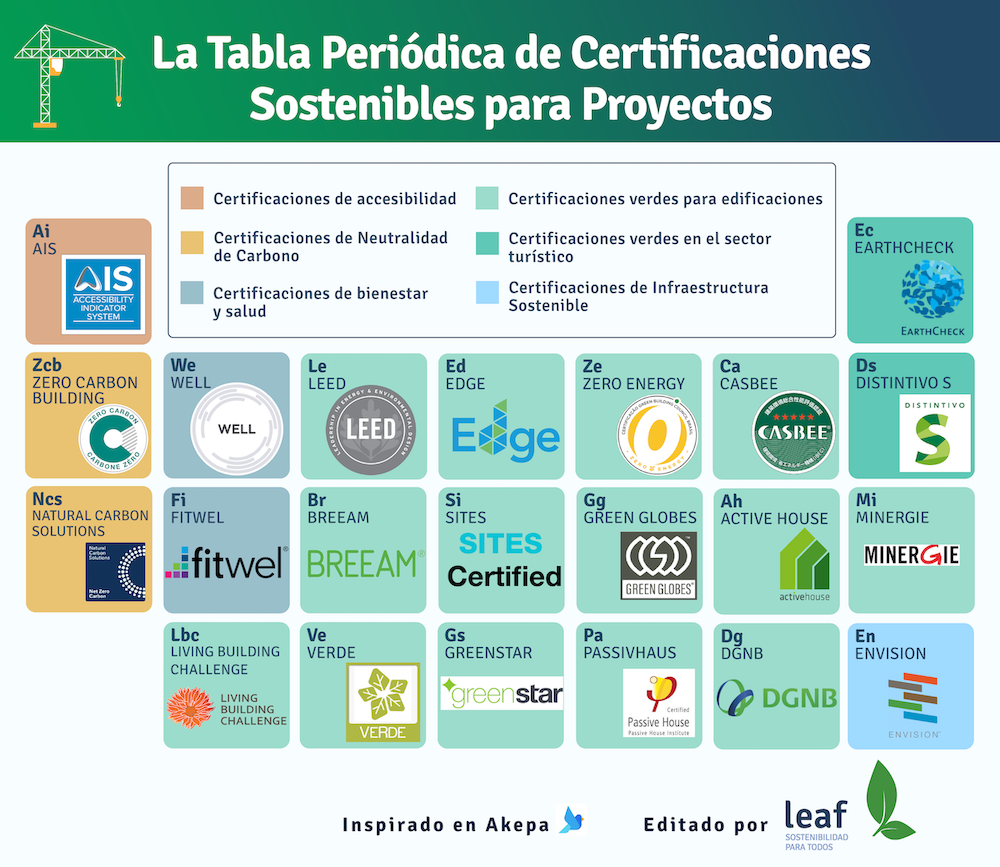
Yes, and they complement each other. LEED and EDGE certify the building's environmental performance and WELL the health of its occupants; AIS certifies that the building can be used by everyone. Together they cover the 'E' and the 'S' of ESG reporting with verifiable evidence.
Leaf Global. Copyright © 2026. All rights reserved.