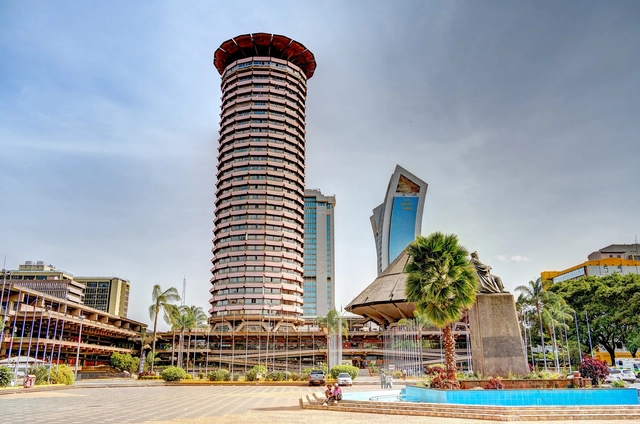
Nairobi holds the highest concentration of international bodies, NGOs, and diplomatic missions in East Africa, plus a tech ecosystem that earned it the nickname 'Silicon Savannah.' Both types of tenant — multilateral institutions with regional headquarters and tech startups competing for engineers — share something in common: their internal policies or international investors already require verifiable evidence that their offices meet occupational health standards, not just energy efficiency ones. Nairobi's temperate climate, ideal for natural ventilation and daylight nearly year-round, gives local projects an uncommon advantage: they can meet much of WELL's Air, Light, and Thermal Comfort requirements through passive design strategies before investing in costly mechanical systems.
Passive design diagnosis: we assess the building's natural ventilation and daylight potential, leveraging Nairobi's temperate climate to reduce reliance on mechanical systems.
Concept-based strategy: we prioritize Air, Light, and Community, the concepts most relevant to Nairobi's international and tech-tenant profile.
On-site performance verification: we coordinate the physical air and water quality tests an IWBI-accredited performance testing agent carries out in the building before certification.
GBCI certification and three-year recertification: we manage seal issuance and the three-year recertification cycle that keeps the credential active.
IWBI's fees are calculated by built-area range, plus the cost of on-site performance verification — physical air and water quality tests — exclusive to WELL. In Nairobi, the temperate climate reduces the need for investment in mechanical conditioning systems to meet several credits, which can offset part of the added cost compared to LEED. The full process takes 12 to 18 months from registration and requires recertification every three years.

Partly, yes. Nairobi's temperate climate allows meeting several of WELL's natural ventilation and daylight requirements through passive design strategies, which can lower the cost of mechanical measures compared to more extreme climates, though the rest of the standard's concepts are assessed the same way.
Mainly multilateral agencies, international NGOs, embassies, and foreign-invested tech companies, all under pressure from headquarters or funders to demonstrate verifiable occupational wellness standards.
12 to 18 months on average from registration, including the on-site performance testing period. Passive design favored by the local climate can simplify some stages of the process.
Leaf Global. Copyright © 2026. All rights reserved.