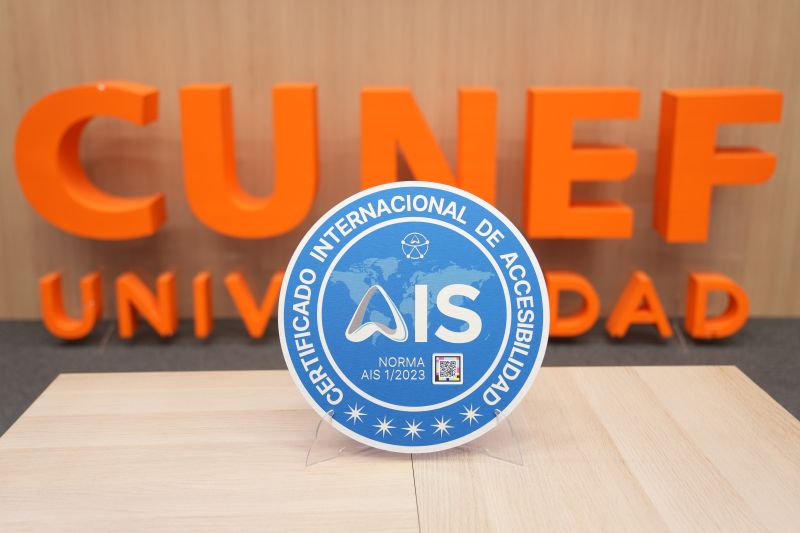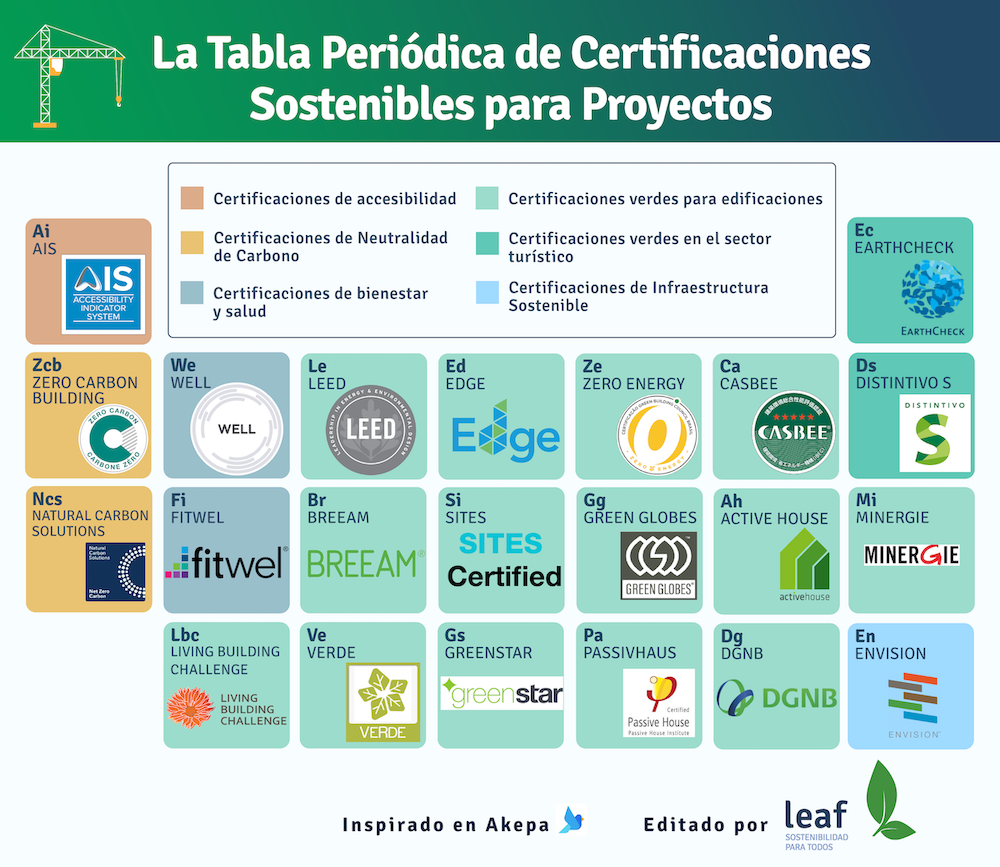
INEGI's 2020 Census counted 6.2 million people with disabilities in Mexico, and almost 21 million when you add those with some limitation in walking, seeing, hearing or remembering. That's a market the size of the Mexico City metropolitan area, and much of it still runs into steps at shopping center entrances, ATMs at impossible heights and accessible restrooms kept locked. The General Law for the Inclusion of Persons with Disabilities and local building codes require accessibility, but verification ends with the permit and rarely reaches day-to-day operation. On the employment side, Mexico's income tax law lets companies deduct an additional 25% of the salary of employees with disabilities, an incentive few companies use because their offices or plants aren't ready to receive them. AIS certification, from Fundación ARS, walks the entire building the way each user would, from the parking lot to the emergency exit, and rates it with 1 to 5 stars published in an open registry.
On-site assessment: we walk the property from the parking lot to the emergency exit, measuring entrances, ramps, elevators, restrooms, counters and signage against AIS criteria and your municipality's building code.
Phased upgrade plan: we prioritize each gap by user impact and cost, so improvements can be scheduled without shutting down operations and the budget goes first to what weighs most in the star rating.
Implementation and training: we coordinate upgrades with your maintenance team and suppliers, and prepare customer service, security and civil protection staff to assist people with different disabilities.
Certification and registry: we manage verification with Fundación ARS, which issues the certificate with its star rating and publishes it in the AIS Public Registry.
The cost of AIS depends on the type of asset (physical space, website or product), its floor area and its complexity, and includes the authorized advisor's assessment and support plus Fundación ARS certification fees. Upgrades are where the investment varies most: in existing shopping centers, offices and hotels, many gaps are solved with signage, furniture, grab bars, well-placed parking spaces and restroom adjustments. For an operating property with minor upgrades, the process usually takes 3 to 6 months from assessment to certificate.

It doesn't replace it, it complements it. The local code sets the minimums for a permit; AIS uses that regulation as a reference and also assesses how the building works in use, including customer service, signage and evacuation. The result is a third-party verified star rating, not just a box checked.
Yes, and that's where the return shows fastest. A shopping center or hotel welcomes older adults, people with disabilities and families with strollers every day. The assessment identifies gaps in parking, entrances, restrooms, counters and rooms, and lets you fix them in phases without closing.
AIS also certifies websites and digital products, with their own criteria. Many companies start with their headquarters or flagship location and then add the website or e-commerce platform, so the accessible experience doesn't break between physical and digital.
Leaf Global. Copyright © 2026. All rights reserved.