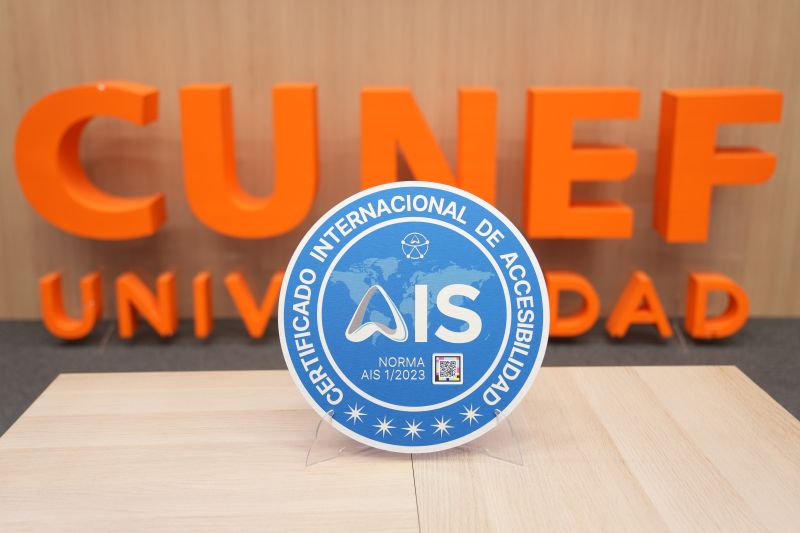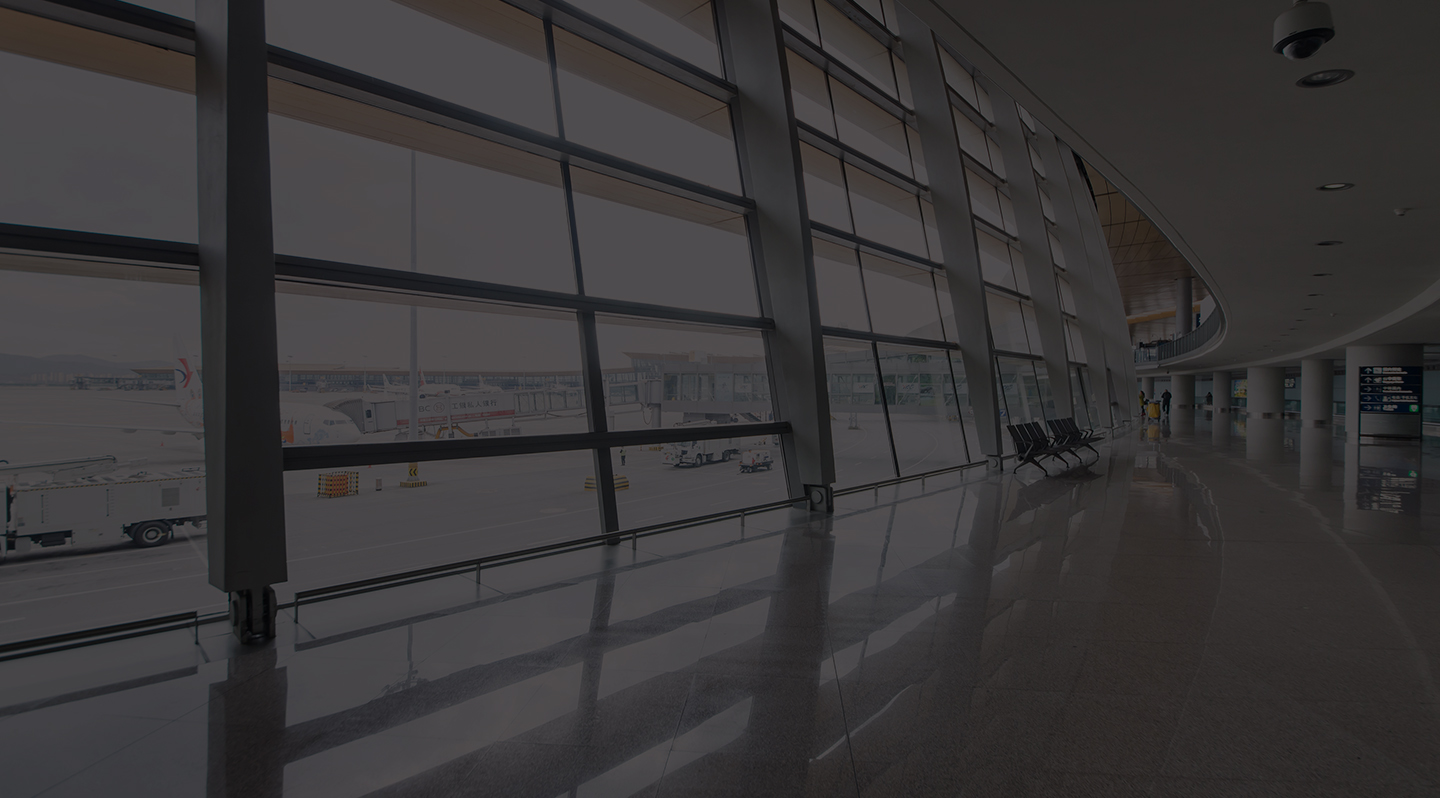
Every year airports welcome more older passengers, people with disabilities and travelers with non-visible disabilities such as autism, dementia or hearing loss, and demand for assistance to passengers with reduced mobility is growing faster than overall traffic. The International Civil Aviation Organization (ICAO) has a dedicated manual on access to air transport for persons with disabilities, and flights to Europe or the United States operate under strict assistance rules. Yet in many terminals across the region the journey is still full of barriers: drop-off zones with no room for a wheelchair, high check-in counters, security checkpoints where no one knows how to screen a passenger with a prosthesis, gate changes announced only by audio, accessible restrooms far from the lounges and jet bridges that aren't always available. Every failure becomes a complaint, a boarding delay and a bad experience the passenger blames on the airport. AIS certification, from Fundación ARS, assesses the full journey, from parking to the boarding gate and arrivals, and recognizes the result with 1 to 5 stars in a public registry.
Passenger journey assessment: we assess parking, drop-off zones, public transport links, check-in, security and immigration, lounges, shops, restrooms, boarding gates and arrivals against AIS criteria and ICAO guidance.
Improvement plan with operators and concessionaires: we prioritize gaps by impact and cost and coordinate solutions with the airport operator, airlines, security authorities and retail concessionaires.
Implementation and training: we support the upgrades without disrupting operations and train information, security, assistance and retail staff to serve passengers with visible and non-visible disabilities.
Certification and registry: we manage verification with Fundación ARS, which issues the certificate with its star rating and publishes it in the AIS Public Registry.
The cost of AIS depends on the type of asset (physical space, website or product), its size and its complexity, and includes the authorized advisor's assessment and support plus Fundación ARS certification fees. At airports, cost and timeline depend on the size of the terminal and the number of stakeholders involved. The most common improvements are accessible drop-off zones, dual-height check-in counters, visual flight and gate-change announcements, hearing loops, accessible restrooms near the lounges, quiet spaces, signage and staff training. For an existing terminal, the process usually takes 6 to 12 months from assessment to certificate, and it can be organized by building or in phases.

Yes. In operating terminals, the assessment is carried out without interrupting passenger flows and improvements are scheduled by zone. For expansions, it's best to build the accessibility review in from design, so the new terminal can be certified without redoing works at the end.
No. Assistance will still be needed for many passengers. What AIS aims for is a terminal that allows as much independence as possible, with assistance, signage and protocols working as one coherent system, with fewer delays and fewer complaints.
They're part of the passenger journey. The assessment includes recommendations for shops, restaurants and lounges, and the operator can build them into concessionaire contracts and design manuals so the experience is accessible end to end.
Leaf Global. Copyright © 2026. All rights reserved.