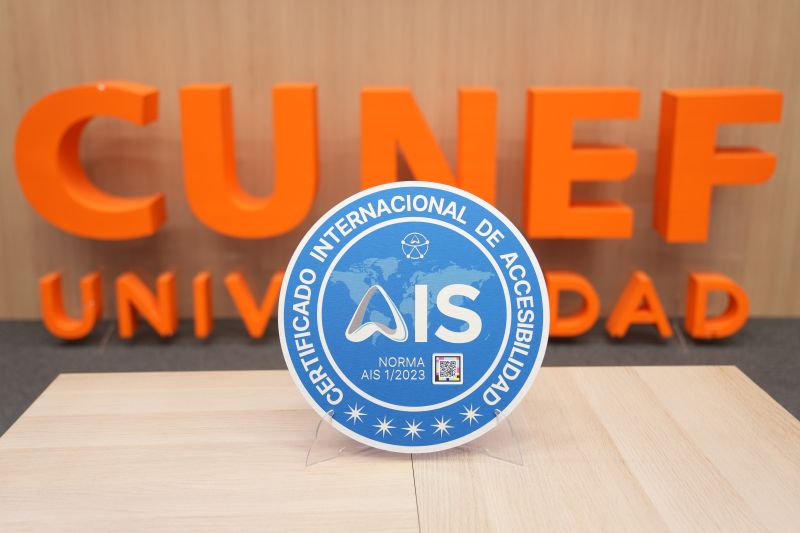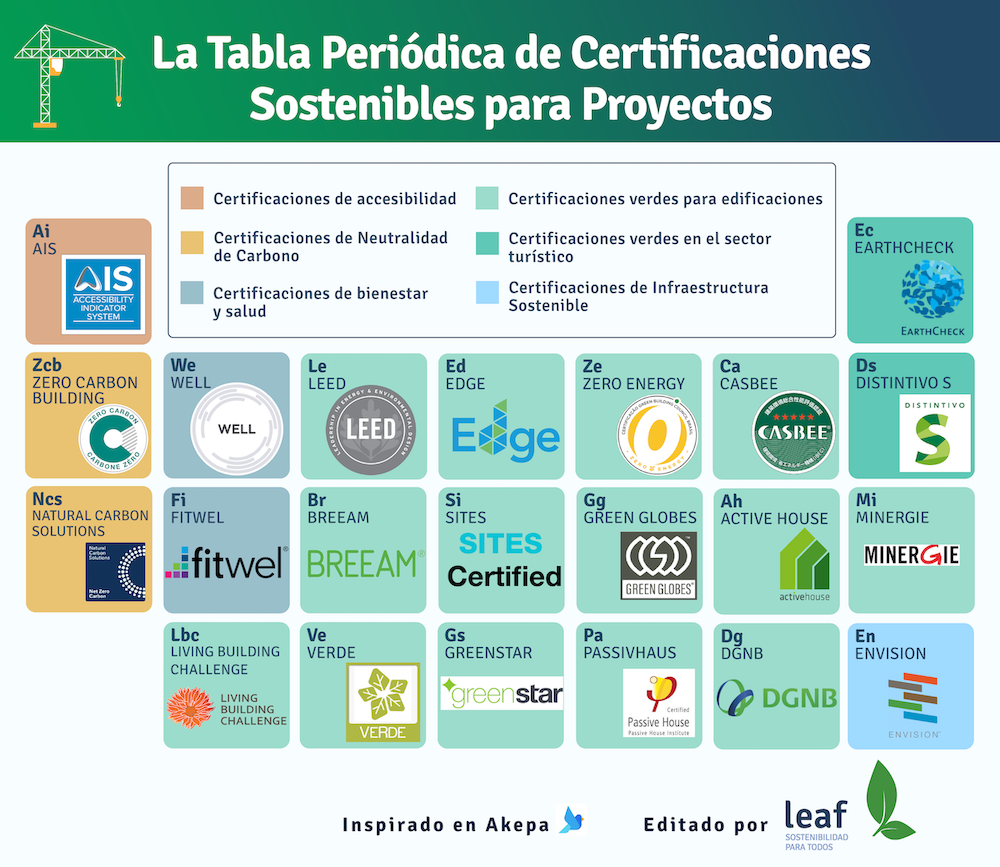
The WHO estimates that 1.3 billion people worldwide, one in six, live with a significant disability. Add older adults, people with temporary injuries and families with strollers, and the audience that needs an accessible space is huge, and it rarely shops alone: it comes with partners, children or friends who choose where to go based on whether everyone can get in. Even so, shopping centers and stores across the region still have entrances with a step, fitting rooms a wheelchair can't fit into, checkouts at impossible heights, accessible restrooms locked or used as storage, and reserved parking taken by anyone. Each of those barriers sends the whole family to a competitor, and more and more often ends in a negative review or a complaint to the consumer protection authority. AIS certification, from Fundación ARS, assesses the full customer journey, from the parking lot to checkout, restrooms and evacuation, and can also certify the website and e-commerce platform, recognizing the result with 1 to 5 stars in a public registry.
Customer journey assessment: we assess parking, entrances, circulation, elevators and escalators, stores, fitting rooms, checkouts, food court, restrooms and escape routes against AIS criteria.
Phased improvement plan: we prioritize gaps by their impact on the experience and by cost, separating what the mall operator controls from what each tenant is responsible for.
Implementation and staff training: we support the upgrades and train customer service, security and cleaning staff to assist customers with different disabilities and keep accessible routes and facilities clear.
Certification and registry: we manage verification with Fundación ARS, which issues the certificate with its star rating and publishes it in the AIS Public Registry.
The cost of AIS depends on the type of asset (physical space, website or product), its size and its complexity, and includes the authorized advisor's assessment and support plus Fundación ARS certification fees. In existing shopping centers, stores and hotels, the most common improvements are step-free entrances, well-located and clearly marked reserved parking, accessible fitting rooms and checkouts, adapted restrooms, signage and staff training. For a shopping center or store chain, it's worth starting with a pilot location and replicating the standard. The process usually takes 3 to 6 months per asset from assessment to certificate.

Yes. The operator can certify the common areas, parking, restrooms and services it controls, then invite tenants to certify their stores to a common standard. The initial assessment usually includes recommendations for stores, useful for tenant design manuals.
AIS assesses whether the site can be used with screen readers and keyboard navigation, has good contrast and clear text, among other criteria. For a retailer, it's how you make sure a customer who is well served in the physical store can also buy online.
It doesn't have to. Well-designed accessible solutions blend into the architecture and visual merchandising: step-free entrances, roomier fitting rooms, dual-height counters or clear signage usually improve the experience for all customers, not just those with a disability.
Leaf Global. Copyright © 2026. All rights reserved.