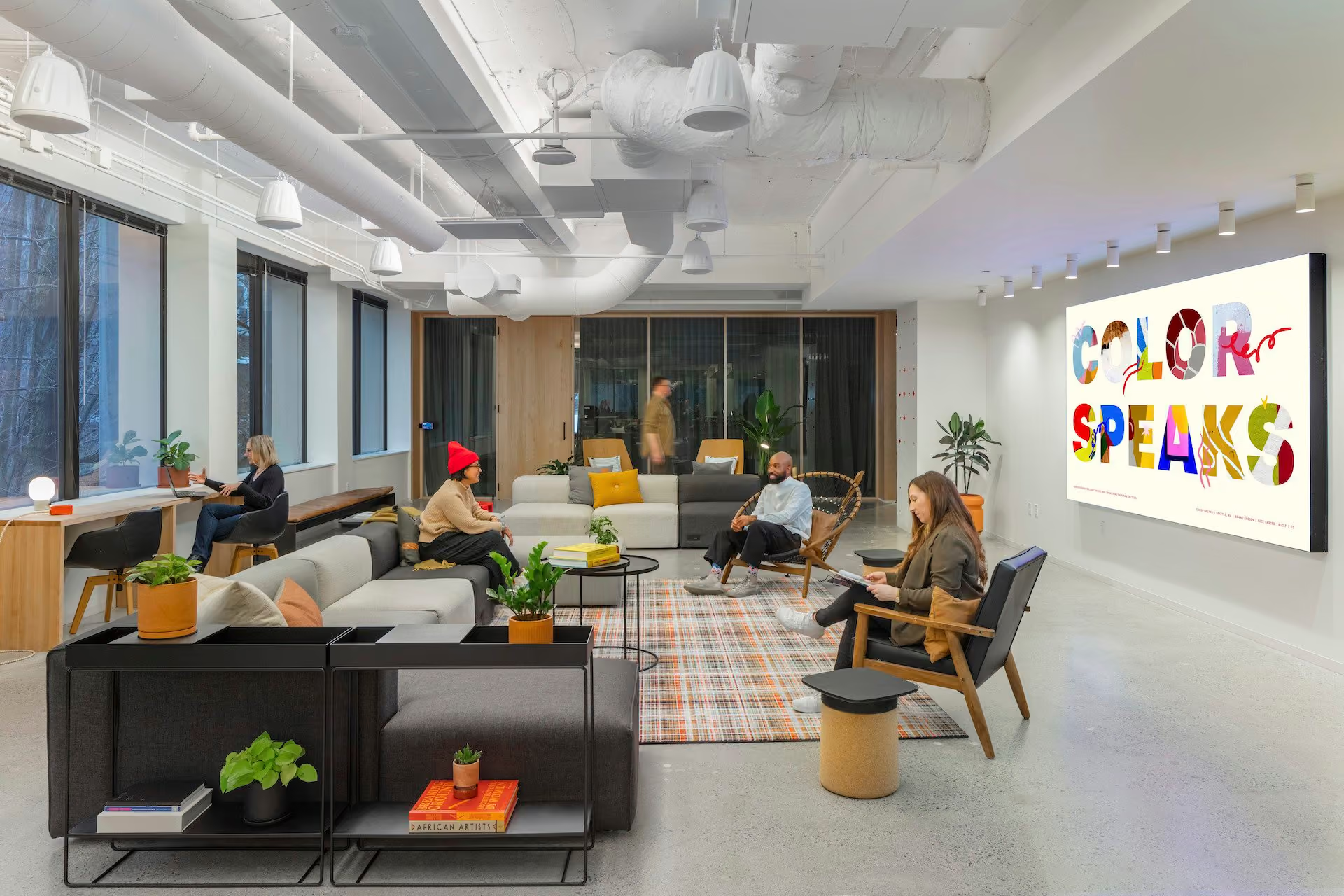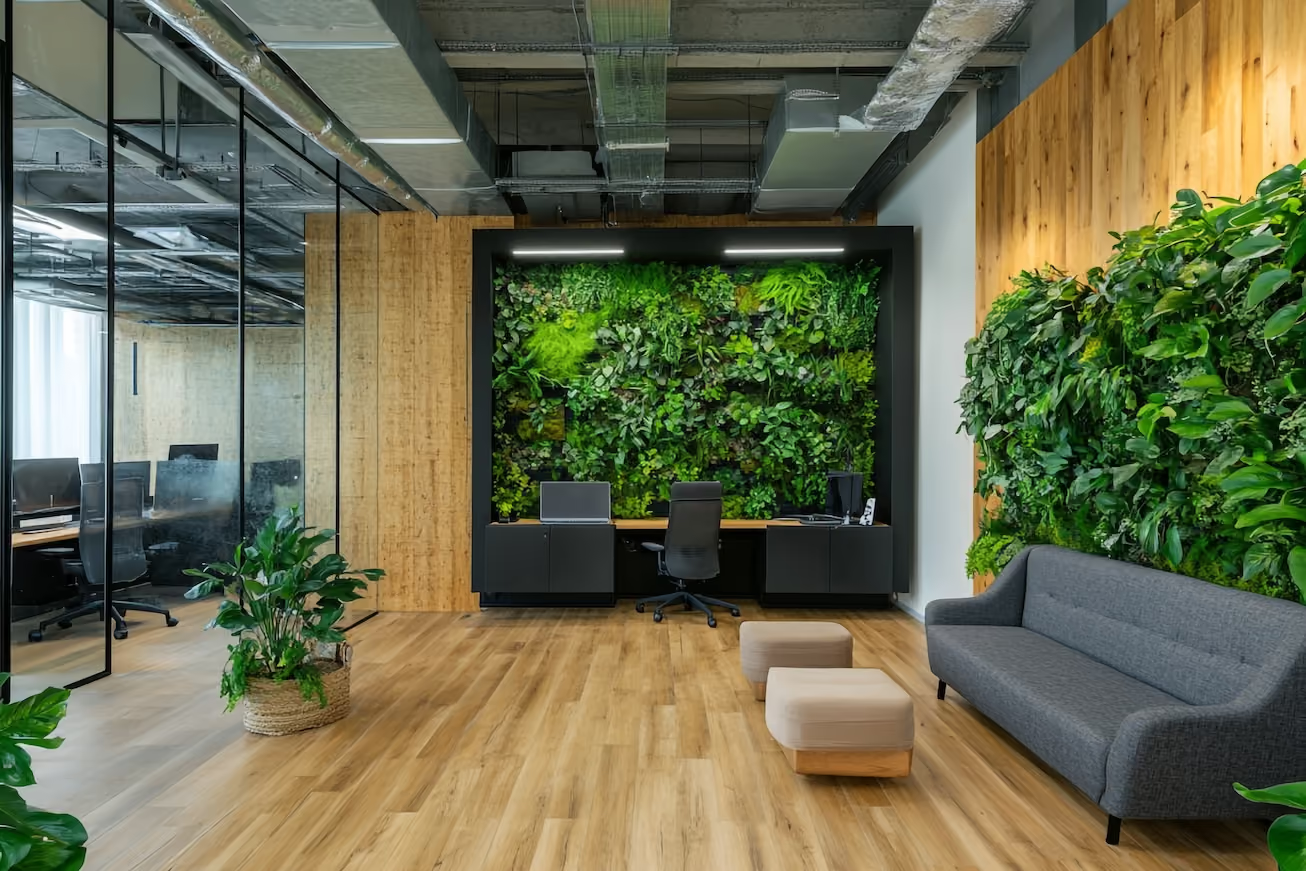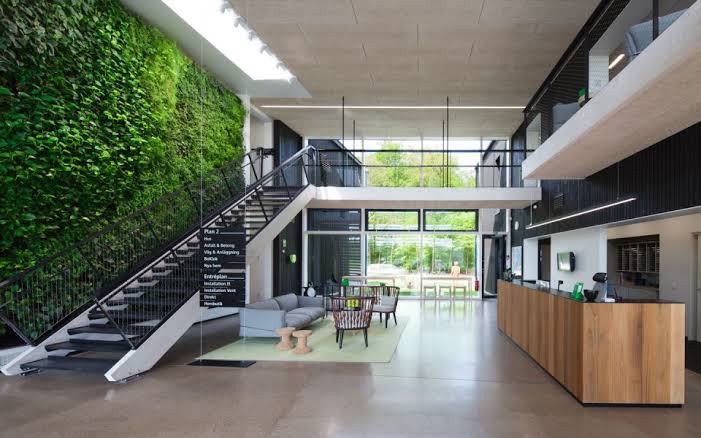
The return-to-office debate is no longer about whether to come back, but why. Teams that learned to work from home are comparing: an hour in traffic, a desk with no daylight, lunch in front of a screen and nowhere to switch off, versus the comfort of home. If the office loses that comparison, attendance drops, engagement follows, and the best people end up accepting an offer from a more flexible company. At the same time, burnout and anxiety have become leading causes of medical leave in several countries across the region, and psychosocial risk regulations in Mexico, Colombia, Chile and Brazil now require companies to act. Fitwel, created by the U.S. CDC and GSA from more than 5,600 public health studies, certifies what makes an office worth the trip: stairs that invite movement, restorative and break spaces, daylight, drinking water, healthy food, lactation rooms, access to active transportation and emergency protocols. And it does so without mandatory prerequisites or lab testing, making it achievable for existing buildings and entire portfolios.
Assessment with the right scorecard: we determine whether the multi-tenant whole-building, base-building or commercial interior space scorecard applies, and evaluate which strategies are already met today.
Roadmap and target level: we register the project with Fitwel and set a one-, two- or three-star goal, prioritizing the strategies with the most impact on people at the lowest cost.
Policies and spaces: we draft with HR, Facilities and building management the policies on wellbeing, food, smoke-free spaces, lactation and emergencies, and coordinate the physical upgrades needed.
Certification and internal communication: we secure the seal, valid for three years, and prepare the messaging so your team understands what changed and why coming back is worth it.
Fitwel charges a registration fee and a certification fee per building or space, with special terms for portfolios. Since it requires neither on-site performance testing nor mandatory prerequisites, the total cost is a fraction of WELL's. Physical investment usually focuses on break and restorative spaces, water stations, stair signage, bike parking and lactation rooms; much of the work lies in policies, not construction. The process takes 4 to 8 months for existing offices, and certification is valid for three years.

With costs already on the income statement: replacing a skilled professional can cost a significant share of their annual salary once you add recruiting, training and ramp-up time. Fitwel costs a fraction of WELL, is implemented mostly through policies and minor upgrades, and directly targets absenteeism and turnover. Preventing just a few resignations a year usually pays for the certification.
Yes. Fitwel has a dedicated commercial interior space scorecard for companies occupying one or more floors. Many strategies depend on the tenant's own decisions —interior design, policies, pantry, break rooms— rather than the building's structure.
WELL is more exhaustive: it has mandatory prerequisites and tests air and water on site, making it ideal for a flagship headquarters with ample budget and time. Fitwel is faster and more affordable, and works very well for existing buildings and portfolios. Many companies combine both: WELL at the flagship and Fitwel across the rest of their offices.
Leaf Global. Copyright © 2026. All rights reserved.