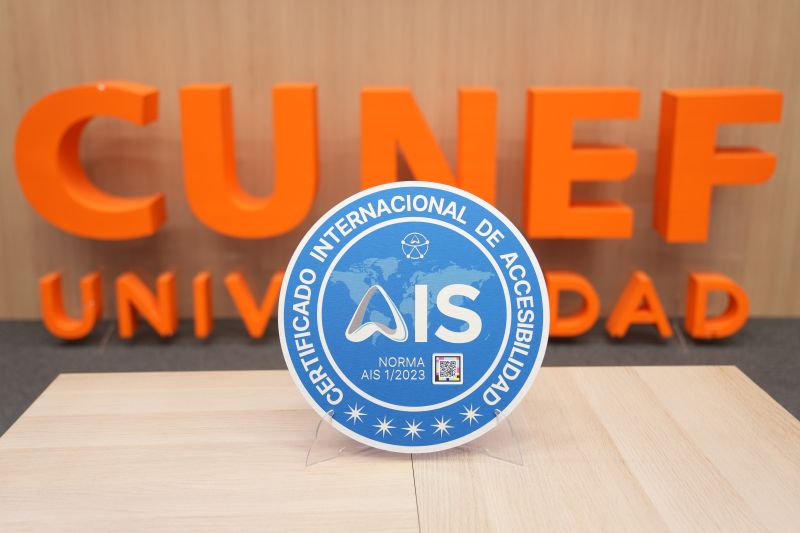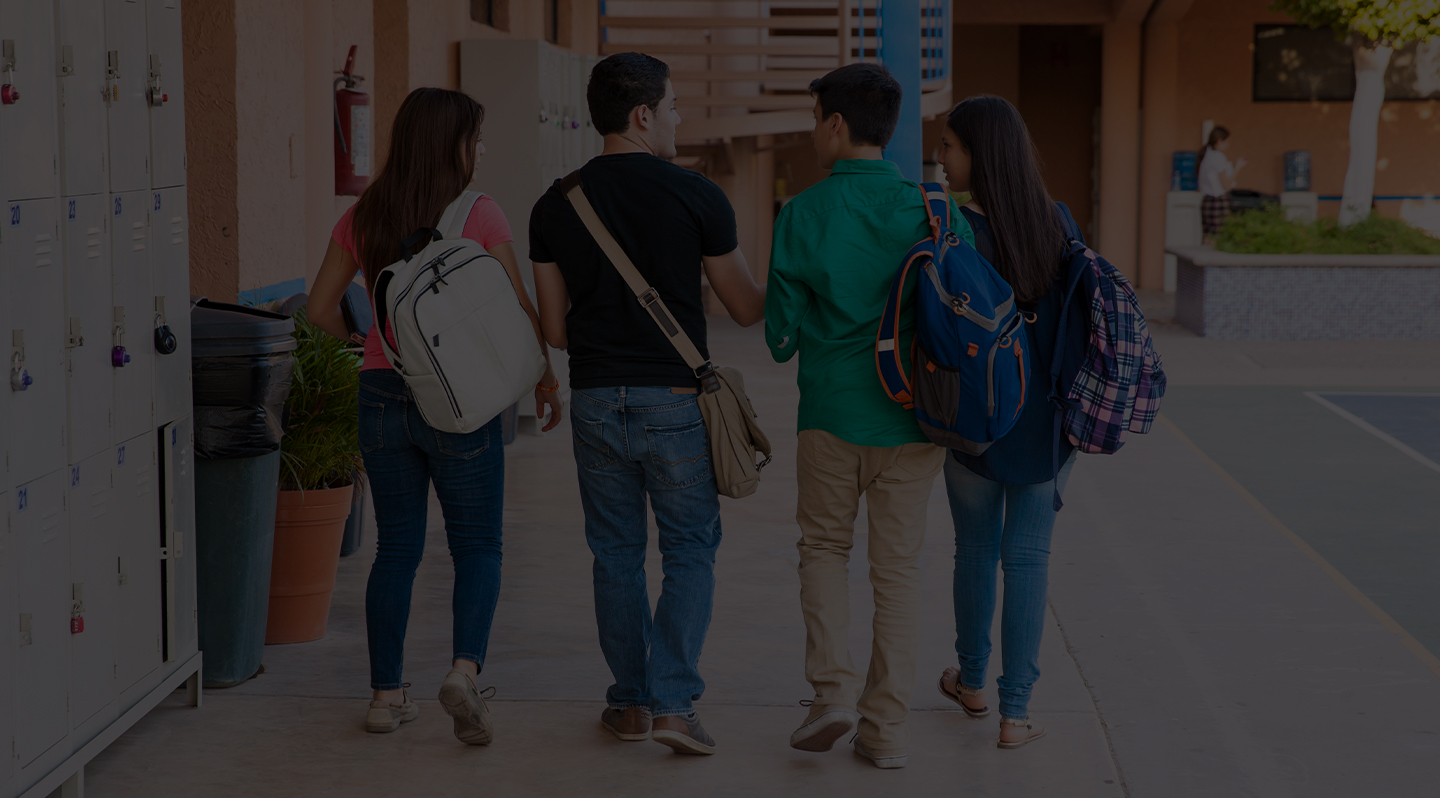
Almost every country in the region has adopted inclusive education laws and signed the UN Convention on the Rights of Persons with Disabilities, which requires equal access to education. In practice, many students with disabilities find out on day one that inclusion stops at the door: classrooms on floors with no elevator, labs with fixed benches a wheelchair can't fit under, libraries with shelves out of reach, auditoriums with no reserved spaces or hearing loops, and campuses with level changes that force long detours or reliance on classmates. The result is dropouts, complaints from families and, increasingly, findings in licensing and accreditation reviews that look at infrastructure and student welfare. For private schools and universities competing for enrollment, accessibility also weighs on parents' decisions. AIS certification, from Fundación ARS, assesses the entire campus, from the entrance to classrooms, labs, libraries, support facilities and evacuation, and recognizes the result with 1 to 5 stars in a public registry.
Campus assessment: we walk the school or university the way a student who uses a wheelchair, has low vision or is deaf would, assessing entrances, circulation, classrooms, labs, libraries, auditoriums, cafeterias, restrooms, sports areas and escape routes.
Accessibility master plan: we prioritize gaps by their impact on academic life and by cost, and organize them in phases and by building, aligned with the academic calendar and capital plan.
Implementation and training: we support upgrades during breaks or quieter periods and train faculty, security and student services staff in assistance and evacuation.
Certification and registry: we manage verification with Fundación ARS, which issues the certificate with its star rating and publishes it in the AIS Public Registry.
The cost of AIS depends on the type of asset (physical space, website or product), its size and its complexity, and includes the authorized advisor's assessment and support plus Fundación ARS certification fees. In existing schools and universities, the most common improvements are ramps and elevators or platform lifts in key buildings, accessible restrooms on each floor, adaptable furniture in classrooms and labs, reserved spaces in auditoriums, signage and visual alarms. On large campuses, the cost is spread across a phased plan. For a single building or campus with minor upgrades, the process usually takes 3 to 6 months from assessment to certificate, ideally using school breaks for construction.

Yes. On large campuses it usually makes sense to certify in phases, starting with the most-used buildings or a main accessible route connecting entrances, classrooms, the library and services. The assessment defines a master plan to add buildings over time without halting academic activity.
Licensing and accreditation agencies increasingly review infrastructure, safety and student welfare conditions. AIS doesn't replace those processes, but it provides verifiable technical evidence of campus accessibility that strengthens the institution's case.
AIS also certifies websites and digital products. For a university, it's worth reviewing the institutional website and the enrollment and virtual classroom platforms, because a student with a visual impairment can be shut out before setting foot on campus.
Leaf Global. Copyright © 2026. All rights reserved.