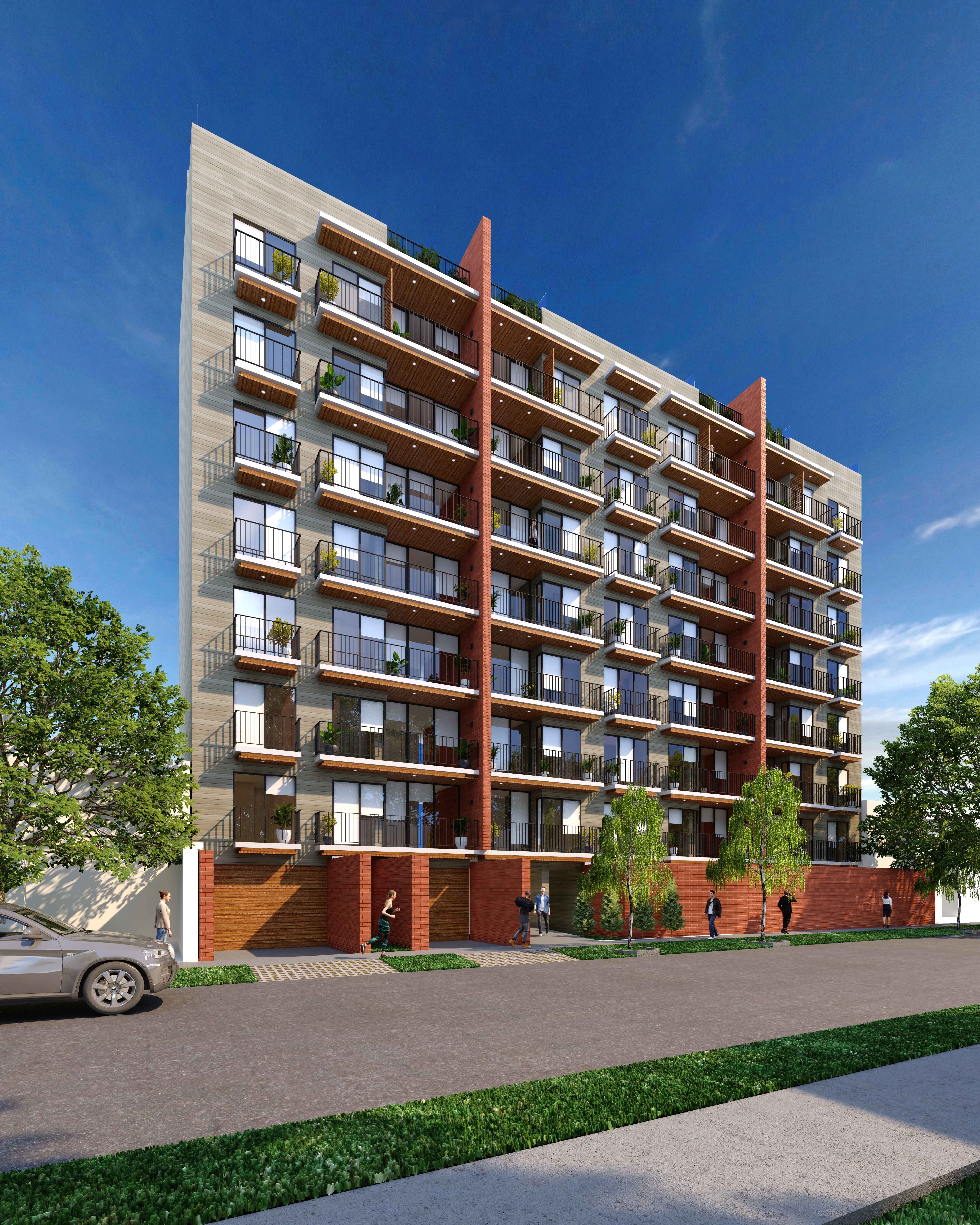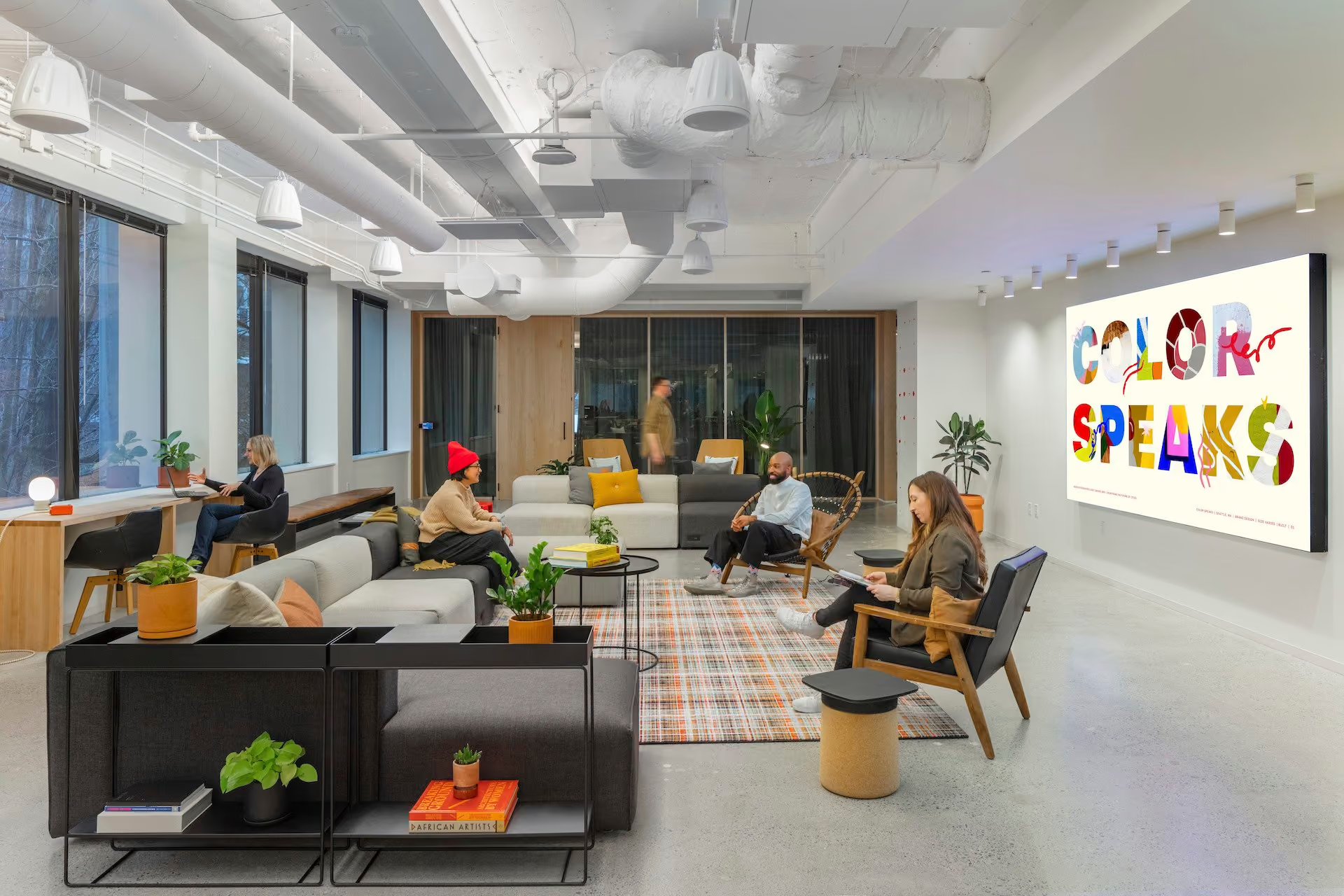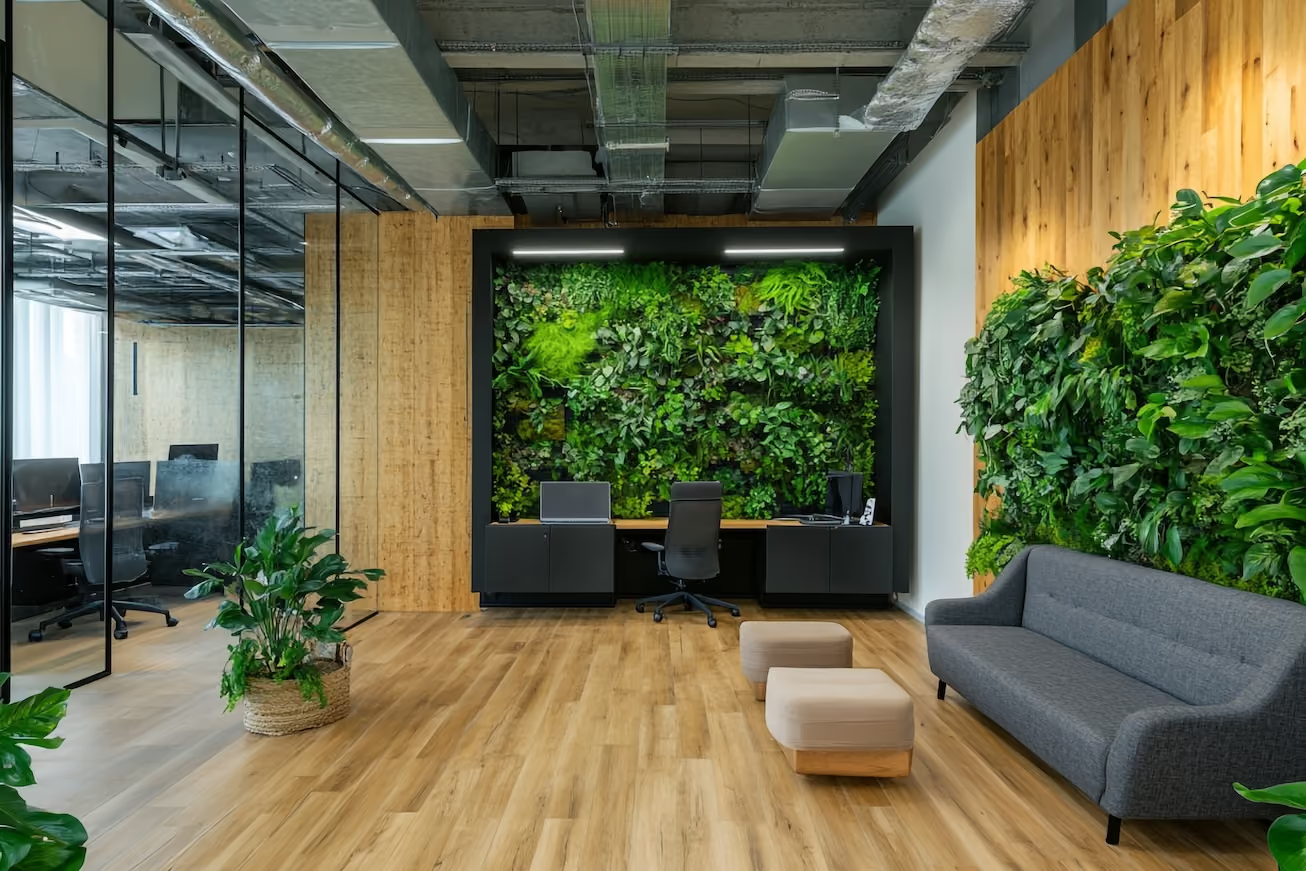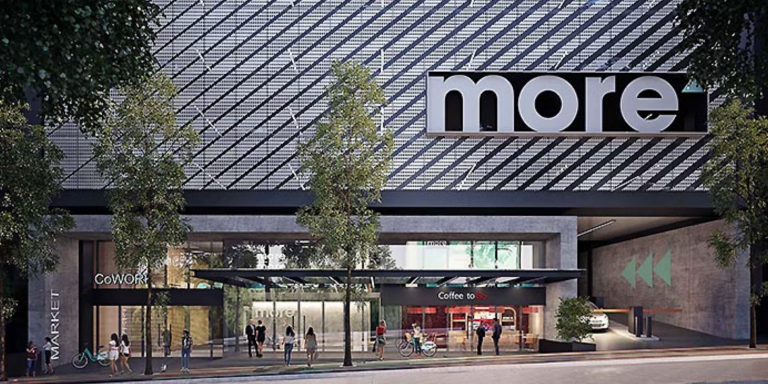
Thanks to the SEM Law, Panama hosts more than 150 multinational regional headquarters, most of them in Costa del Este, Punta Pacífica, Obarrio or the Panamá Pacífico area. These companies recruit executives and specialists from across the region, who weigh Panama's offer against Miami, Bogotá or Mexico City, and the workplace is part of that comparison. The problem is that the city doesn't invite movement: heat and humidity almost all year, heavy rain for much of the year, and mobility still highly dependent on cars despite the Metro's expansion. The result is a fully sedentary day between the parking garage and the desk. Fitwel, created by the U.S. CDC and GSA, certifies that the building makes up for those limitations: inviting, air-conditioned stairs, drinking water, healthy food, break spaces, lactation rooms, walkable connections to the Metro and emergency protocols. For a regional headquarters, it's a wellbeing credential head office recognizes and talent understands.
Assessment: we evaluate the building against the applicable Fitwel scorecard, including its walkable connection to the Metro and the quality of indoor break and activity spaces.
Registration and strategy: we register the project with Fitwel and set the target level, from one to three stars, aligned with head office's ESG criteria.
Implementation: we coordinate stairs, gyms or activity spaces, water stations, lactation rooms and break areas, and draft policies on healthy food, smoke-free spaces and emergencies.
Certification: we submit the documentation, secure the seal valid for three years and set up the recertification plan.
Fitwel charges a registration fee and a certification fee per building or space, with special terms for portfolios. Since it doesn't require on-site performance testing, the total cost is well below WELL's. Physical investment usually focuses on upgrading stairs, indoor activity spaces, water stations, lactation rooms and break areas. The process takes 4 to 8 months for existing buildings, and certification is valid for three years.

Cost, timeline and scale. WELL requires on-site air and water testing and has mandatory prerequisites, making it more expensive and slower. Fitwel is documentation-based and faster, ideal for a headquarters that's already operating and wants to certify without major works. If the company uses Fitwel in other countries, it also simplifies consolidated reporting.
Yes. Fitwel has scorecards for multi-tenant buildings and for commercial interior spaces, so both the building owner and a tenant occupying one or more floors can be certified.
For an existing building, 4 to 8 months on average. For new construction, we recommend building the strategies in from design to avoid later adjustments.
Leaf Global. Copyright © 2026. All rights reserved.