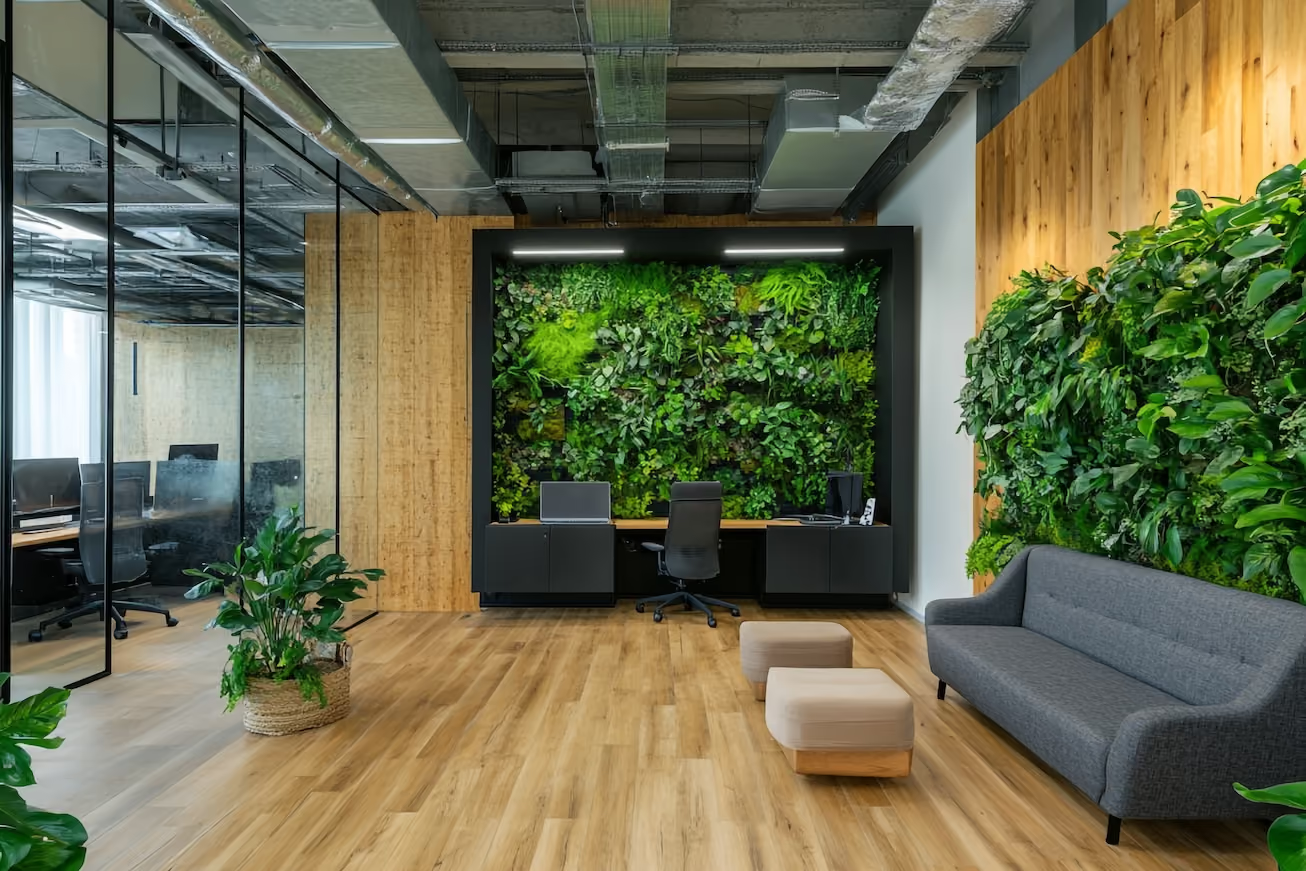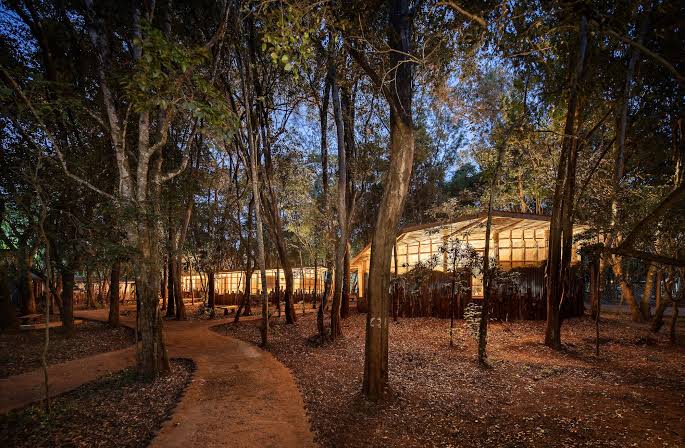
Nairobi has something few capitals do: a mild climate almost all year round that makes walking, natural ventilation and outdoor spaces easy. Even so, many of the new towers in Westlands, Upper Hill or Kilimani were designed as they would be anywhere else: sealed, car-oriented and with little room to move. The city has acknowledged the problem through its non-motorized transport policy, and it is also home to United Nations offices in Gigiri, international NGOs and a tech ecosystem —the so-called Silicon Savannah— competing for the same developers and analysts. For these organizations, team wellbeing is part of both the mission and the talent strategy. Fitwel, created by the U.S. CDC and GSA, certifies exactly that: inviting stairs, access to active transportation, outdoor spaces, drinking water, healthy food, lactation rooms and safety protocols. In Nairobi, many of those strategies can be achieved with good design and little investment.
Assessment: we evaluate the building against the applicable Fitwel scorecard and its immediate surroundings, including walking routes and access to matatus and new transport corridors.
Registration and strategy: we register the project with Fitwel and set the target level, from one to three stars, making the most of the site's climate.
Implementation: we coordinate outdoor spaces, stairs, bike parking, water stations and break areas, and draft policies on healthy food, smoke-free spaces, lactation and emergencies.
Certification: we manage the review, secure the seal valid for three years and set up the recertification plan.
Fitwel charges a registration fee and a certification fee per building or space, with special terms for portfolios. Since it doesn't require on-site performance testing, the total cost is considerably lower than WELL's. In Nairobi, physical investment tends to be low because the climate allows terraces, courtyards and natural ventilation to do much of the work; the usual spend is on bike parking, water stations, stair signage and break areas. The process takes 4 to 8 months, and certification is valid for three years.

Yes, it's one of the best fits. Fitwel was born in the U.S. public health sector and is grounded in scientific evidence, which makes it consistent with organizations working in health, development or the environment that want to apply those principles at their own offices.
Yes. Fitwel has a commercial interior space scorecard designed for tenants occupying one or more floors without controlling the whole building.
Completely. EDGE measures energy, water and materials efficiency; Fitwel measures the building's impact on people's health. Together they cover both the environmental and the human side of the building.
Leaf Global. Copyright © 2026. All rights reserved.