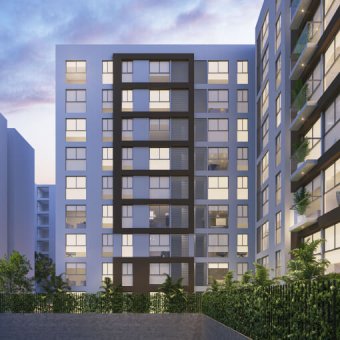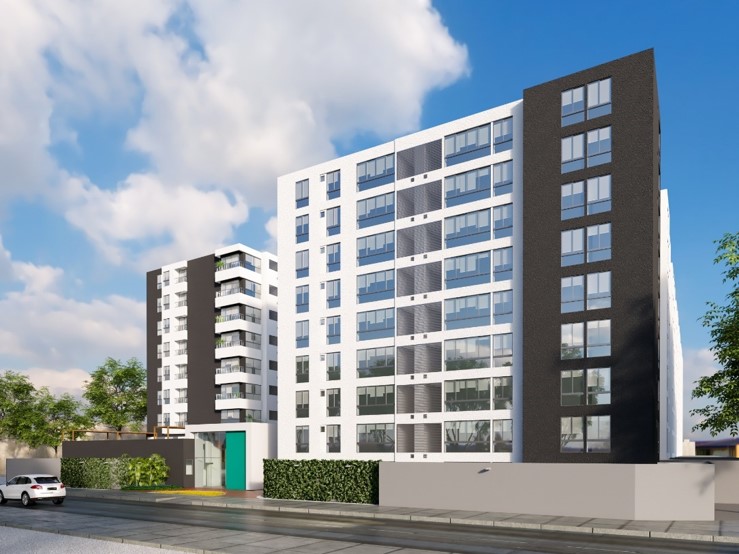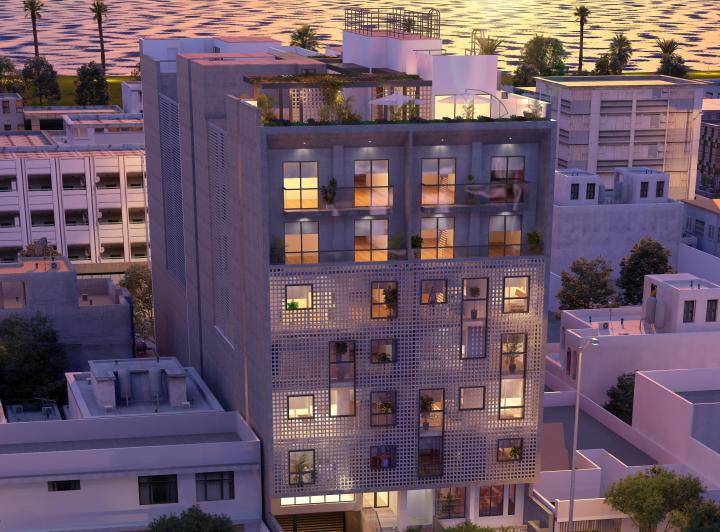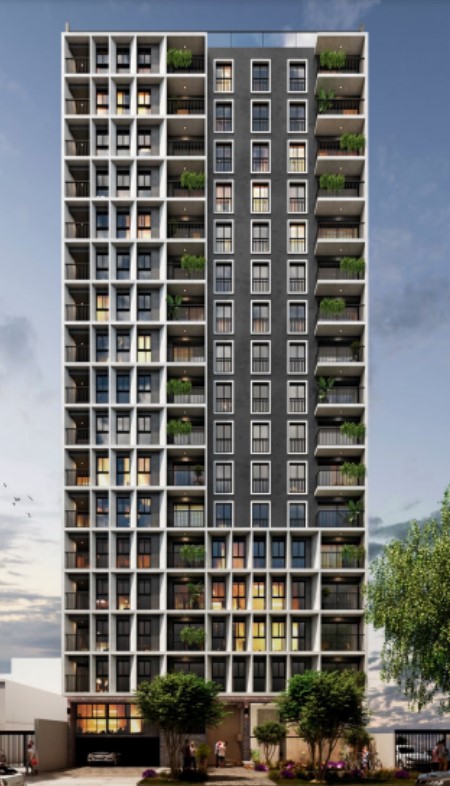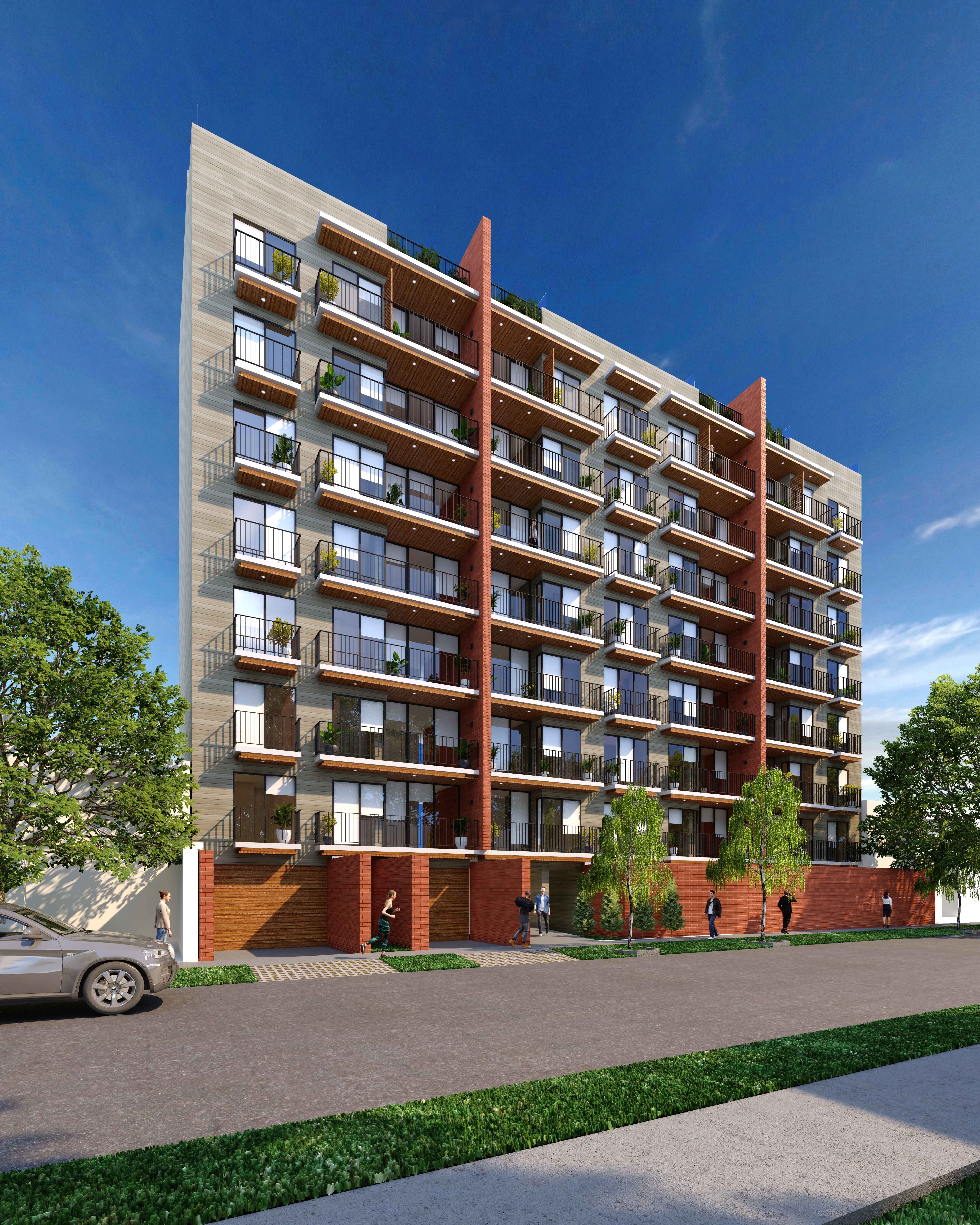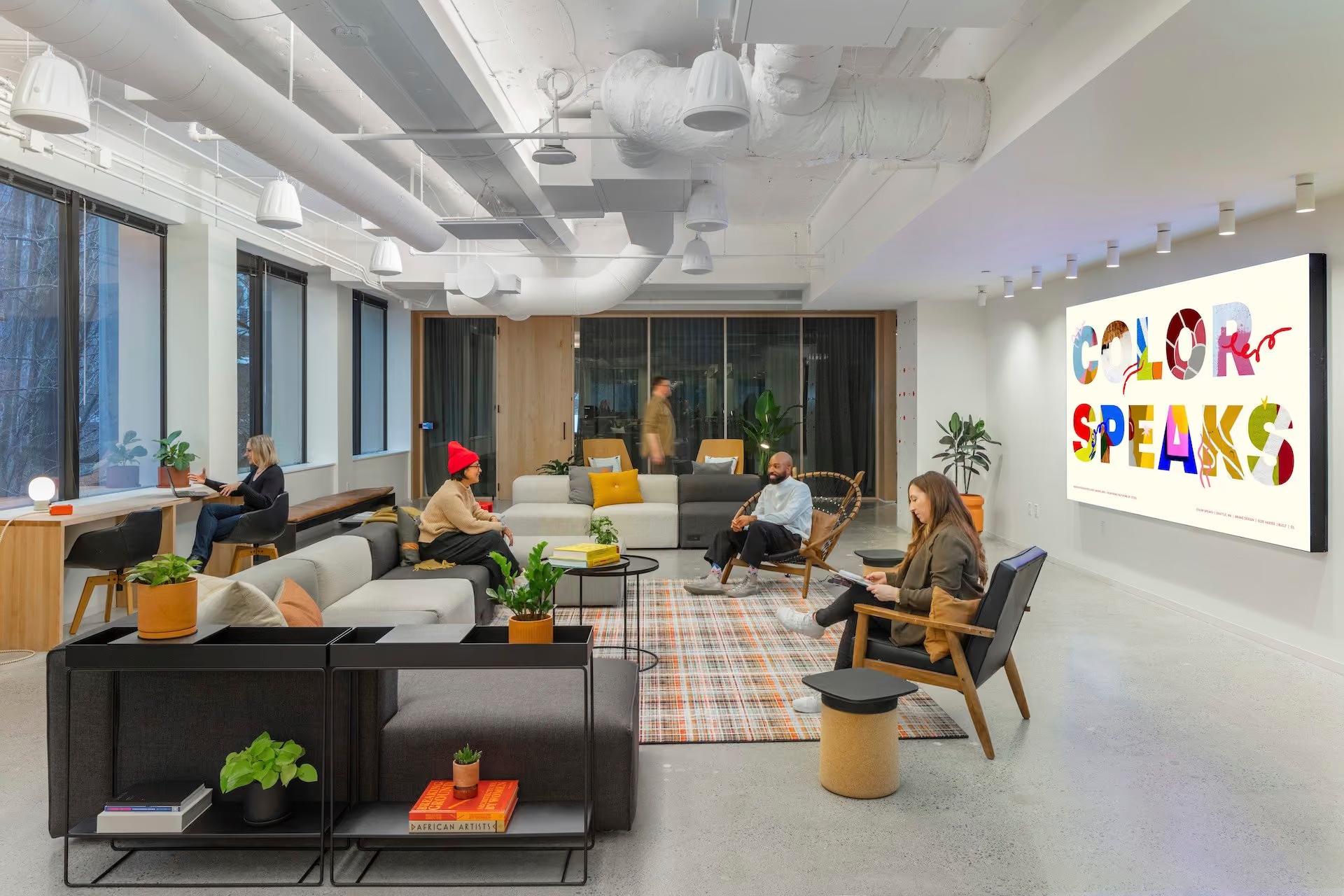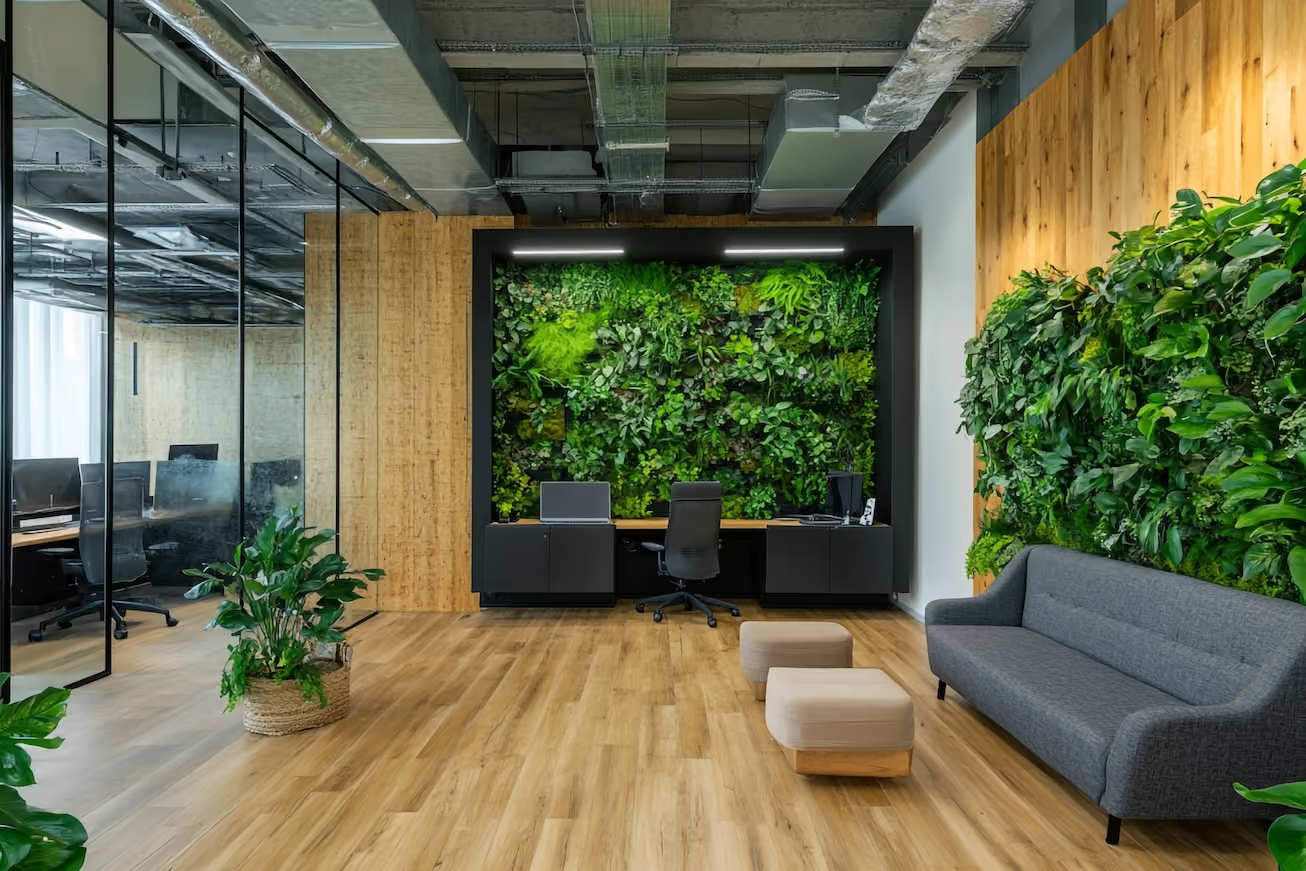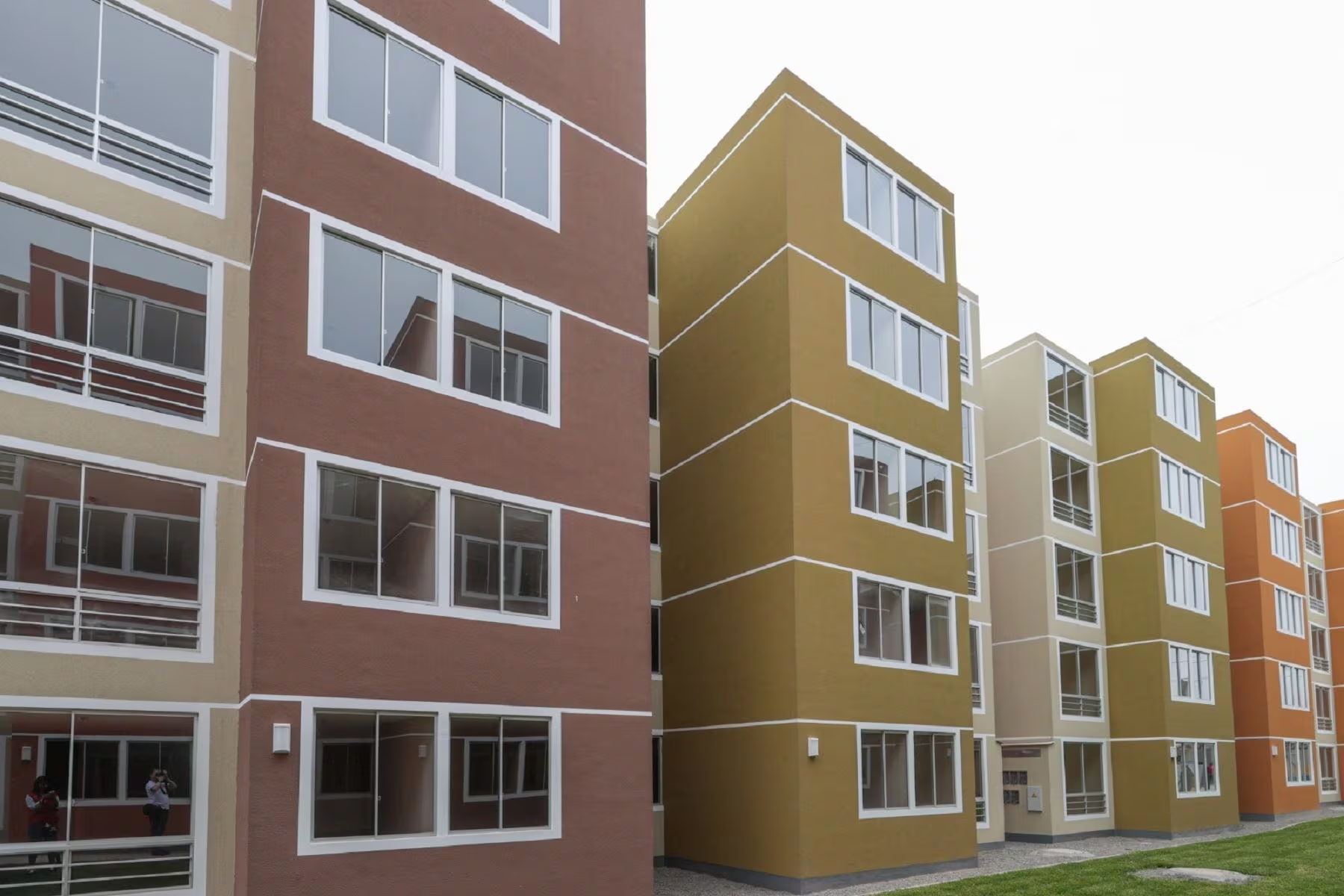
Almost every mid- and high-end residential project now offers the same amenity list: gym, pool, coworking space, barbecue area. In practice, many of those spaces sit empty and residents keep living as strangers, with long car commutes and little neighborhood life. Loneliness and sedentary living are now public health issues, and hybrid work has turned the apartment into office, gym and place of rest all at once. Fitwel Multifamily Residential, the housing scorecard of the standard created by the U.S. CDC and GSA, certifies exactly what makes a residential building genuinely healthy: stairs people use, walkable links to the neighborhood, bike parking, shared spaces that bring people together, play areas, drinking water, smoke-free policies and emergency preparedness. For developers and, above all, institutional build-to-rent operators, it's a way to differentiate the project with something residents feel every day.
Design assessment: we review the project against the Fitwel Multifamily Residential scorecard, looking at common areas, circulation, entrances and the relationship with the neighborhood.
Impact-driven strategy: we prioritize the strategies that matter most to residents' experience —stairs, shared spaces, mobility, play areas— without driving up project cost.
Operating policies: we draft with the property manager or operator the smoke-free building, common-area maintenance, emergency and community programming policies.
Certification and sales materials: once the seal is secured, valid for three years, we prepare the arguments the sales or leasing team can use against the competition.
Fitwel charges a registration fee and a per-building certification fee, with special terms for portfolios, which matters for rental operators with several assets. Since it doesn't require on-site performance testing, the total cost is well below WELL's. Physical investment usually lies in the design of shared spaces, stairs, bike parking and play areas, often at no extra cost if defined from schematic design. The process takes 4 to 8 months once documentation is complete, and certification is valid for three years.

It certifies the whole building, including common areas, circulation and operating policies. Individual units are not certified, which makes the process much simpler for the developer.
It works for both, but it's an especially good fit for institutional rental housing, because many of its strategies depend on building operations —policies, space programming, maintenance— and a single operator can sustain them over time.
WELL tests air and water on site in representative units and has mandatory prerequisites. Fitwel relies on design and policies, focuses more on community, mobility and shared spaces, and costs considerably less. For mid-market projects, Fitwel is usually the more viable option.
Leaf Global. Copyright © 2026. All rights reserved.