He leads projects and consulting services under LEED, EDGE, and FITWEL standards, integrating facade optimization strategies, life cycle assessments, and energy modeling to develop high-performance buildings.

Green electrification is consolidating itself as one of the most effective solutions to combat climate change and achieve a more sustainable future. As the world moves toward decarbonization, cities play a critical role in the transition to cleaner, more renewable energy sources.
Next, we will highlight which are the leading cities in green electrification and how they are contributing to the change towards a more sustainable future.
Green electrification refers to the process of replace fossil fuels with electricity from renewable sources (solar, wind, hydroelectric, and others).
This approach decarbonizes key sectors such as transport, construction and industry, reducing greenhouse gas emissions and improving energy efficiency.
Copenhagen seeks to become The first carbon neutral city by 2025.
Its strategy includes wind farms that supply the electricity grid, heating networks that operate with clean energy and an extensive electrical transport infrastructure.
In addition, Copenhagen has promoted the adoption of electric vehicles through tax incentives and the installation of an extensive charging infrastructure network.

Vancouver aims to achieve Net zero emissions by 2050, prioritizing the use of clean energy in all sectors, from transport to construction.
Its electric public transport network stands out, which promotes the use of electric vehicles and access to chargers at strategic points.

Oslo is a world leader in the electrification of transport. In 2020, more than 50% of the cars sold in the city were electric.
In addition, Oslo has implemented measures to promote electric charging infrastructure and facilitate access to electric vehicles through subsidies and incentive policies.

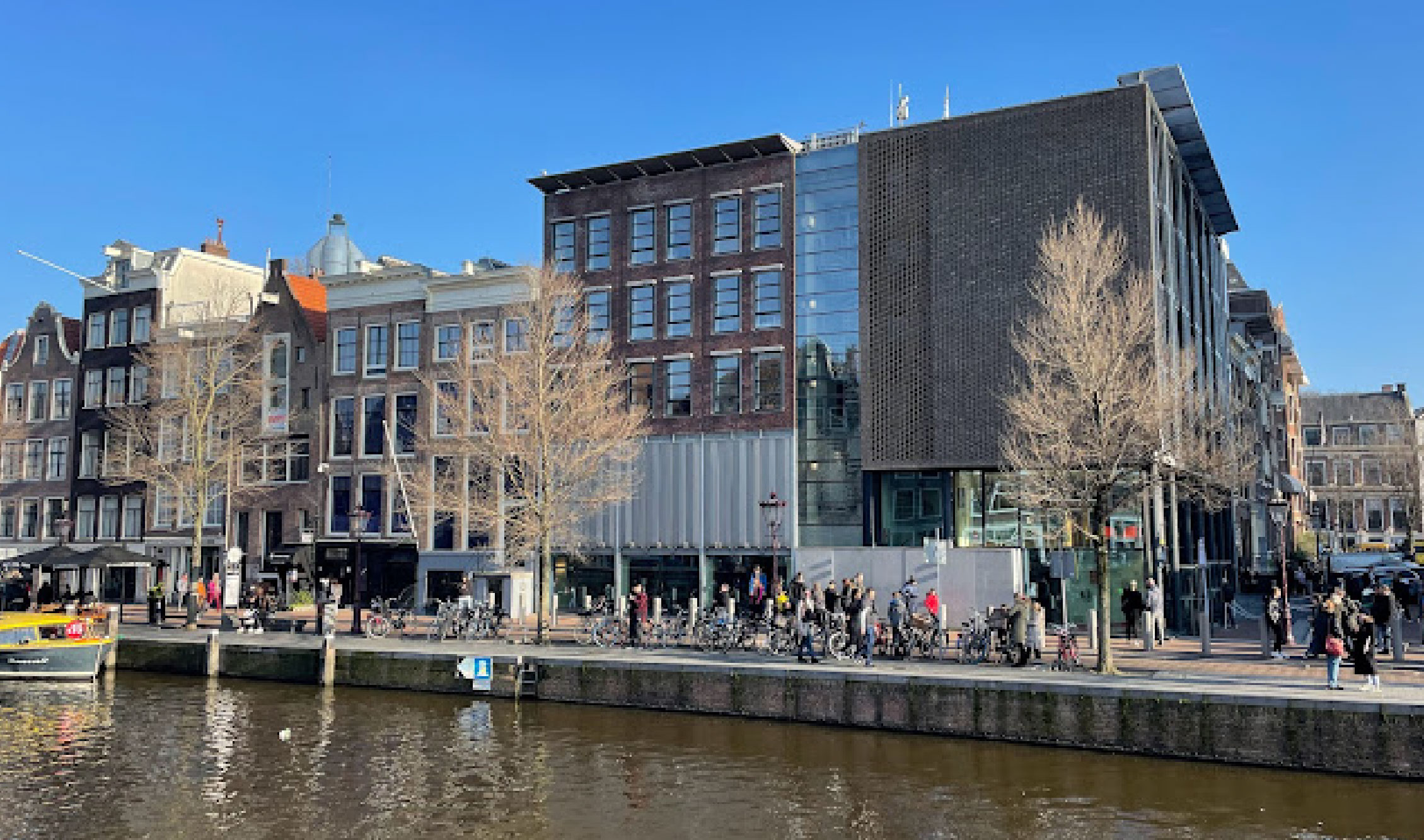
Amsterdam plans to be a Zero-emission city by 2030, focusing on electrification and the use of renewable energy.
To achieve this, it has prioritized electric transport, with an extensive network of buses, trams and electric boats, as well as an extensive infrastructure of charging stations.
Starting in 2025, it will introduce zero-emission zones for delivery vehicles, goods, mopeds, scooters, and others. All new vehicles in these categories must have zero-emission engines to be able to access these areas.
San Francisco aims to Eliminate fossil fuels from transport by 2040.
In addition, it promotes the electrification of buildings and the installation of solar panels on roofs, aligning its policies with the transition to a renewable energy economy.

Santiago operates one of the largest electric bus fleets in Latin America, integrated into its public transport system.
Chile is making progress in decarbonization with a strong push for renewable energy, improving the energy efficiency of its buildings and expanding solar energy projects.

Bogotá leads the electrification of public transport with more than 1,500 electric buses in operation.
In addition, Colombia promotes the use of solar panels in the construction of homes and buildings, reinforcing its transition to renewable energy.

Mexico City has promoted the adoption of electric trolleybuses and low-emission buses, in addition to expanding the charging infrastructure for electric vehicles.
It also promotes energy efficiency in buildings, adopting sustainable technologies to reduce electricity consumption.

Montevideo has developed a public transport system with electric buses operating on key routes.
In addition, Uruguay is leading the energy transition to clean energy in Latin America.

Curitiba has integrated electric buses and plans to expand its fleet. The city is recognized for its sustainable urban planning, electric mobility, and for its park system which covers an average of 50 square meters of green areas per inhabitant.
In addition, Curitiba has projects such as the Eurobusiness building, the first in the world to receive LEED Zero Water certification.

Although progress has been made in recent years, there are still challenges in implementing green electrification in cities, such as insufficient infrastructure for electric vehicles, funding for renewable projects and the need to modernize electrical grids to meet greater demand.
However, leading cities are demonstrating that with innovation and collaboration it is possible to move towards a cleaner and more sustainable energy model.
Pioneering cities in green electrification are paving the way to a sustainable future. As more cities adopt renewable energy models and decarbonize their systems, green electrification becomes a key factor in achieving global climate objectives.
This not only has a positive impact on the environment, but it also improves people's quality of life and creates new economic opportunities.
Sources consulted:
Leaf Global. Copyright © 2026. All rights reserved.