He leads projects and consulting services under LEED, EDGE, and FITWEL standards, integrating facade optimization strategies, life cycle assessments, and energy modeling to develop high-performance buildings.

Water recycling is an essential practice to minimize the waste of this vital resource and reduce environmental impact. Adopting efficient strategies not only benefits the environment, but also generates significant savings in water consumption and improves the sustainability of projects. Here are some key tips to promote water recycling in a building:
Install systems that collect rainwater from roofs and other waterproof surfaces:
Greywater from showers, sinks and washing machines can be treated and reused:
The use of efficient technologies reduces the amount of water used:
Plan a system that integrates all water sources and their different uses in the project:
Training is key to ensuring the success of any water recycling strategy:
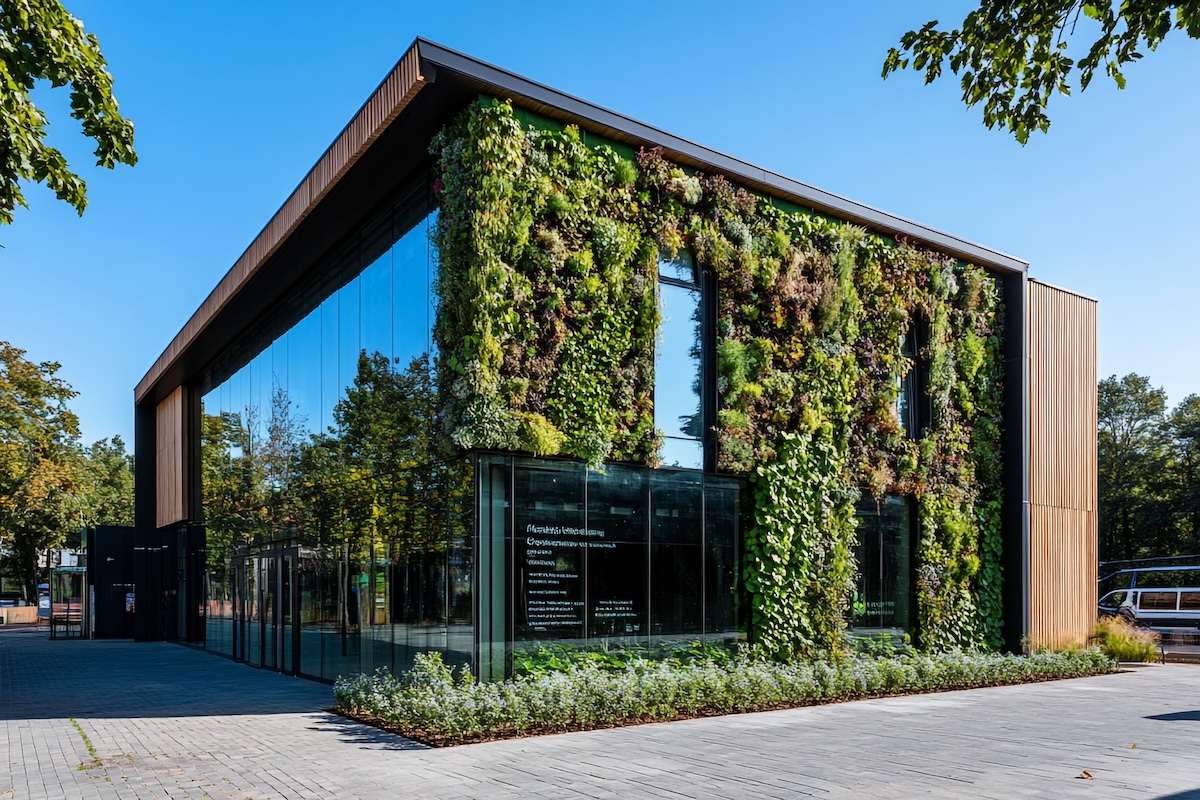
Nature-based solutions can complement the above-mentioned recycling strategies:
Make sure that installed water recycling systems meet local standards and consider opting for green certifications:
Strategies such as the collection of rainwater, the reuse of grey water and the use of efficient technologies make it possible to significantly reduce water consumption and optimize its use in sustainable construction projects.
Leaf Global. Copyright © 2026. All rights reserved.