He leads projects and consulting services under LEED, EDGE, and FITWEL standards, integrating facade optimization strategies, life cycle assessments, and energy modeling to develop high-performance buildings.
Buildings account for nearly half of annual energy consumption and CO₂ emissions, globally. In addition, the cumulative effect of conventional practices in the construction industry has profound implications for human health, the environment and the economy.
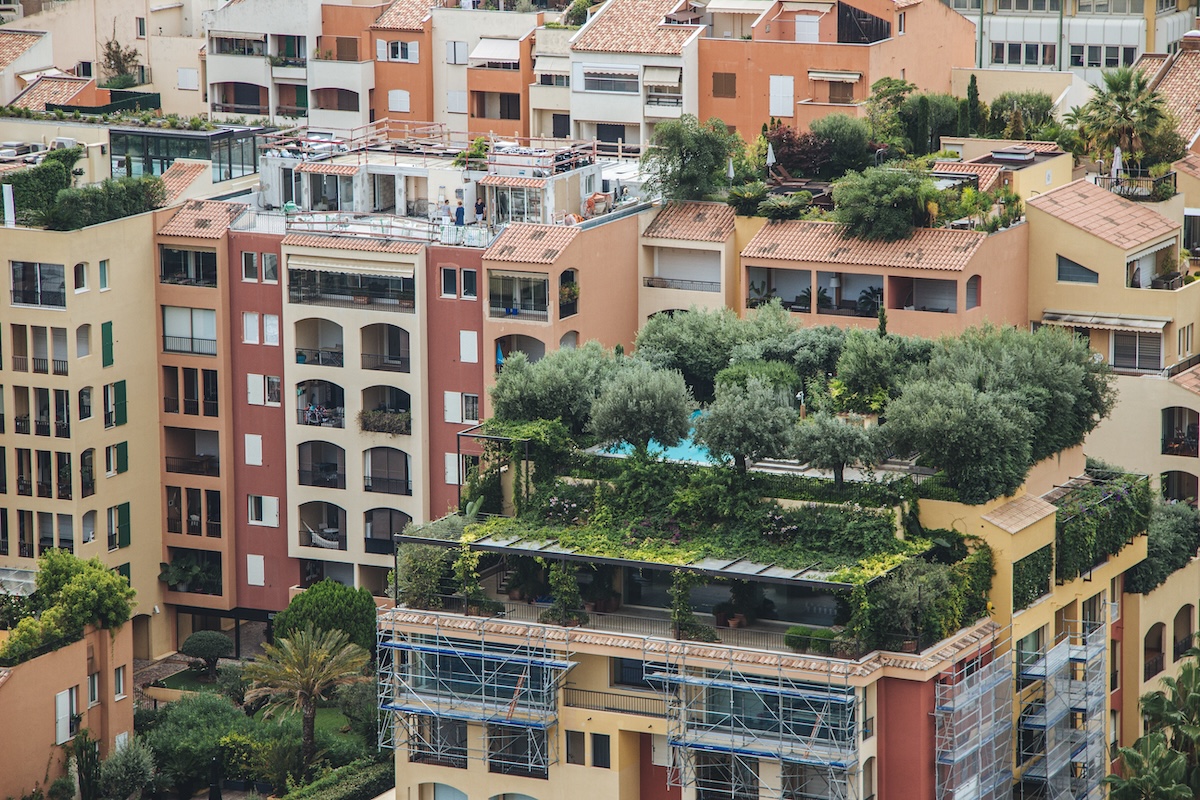
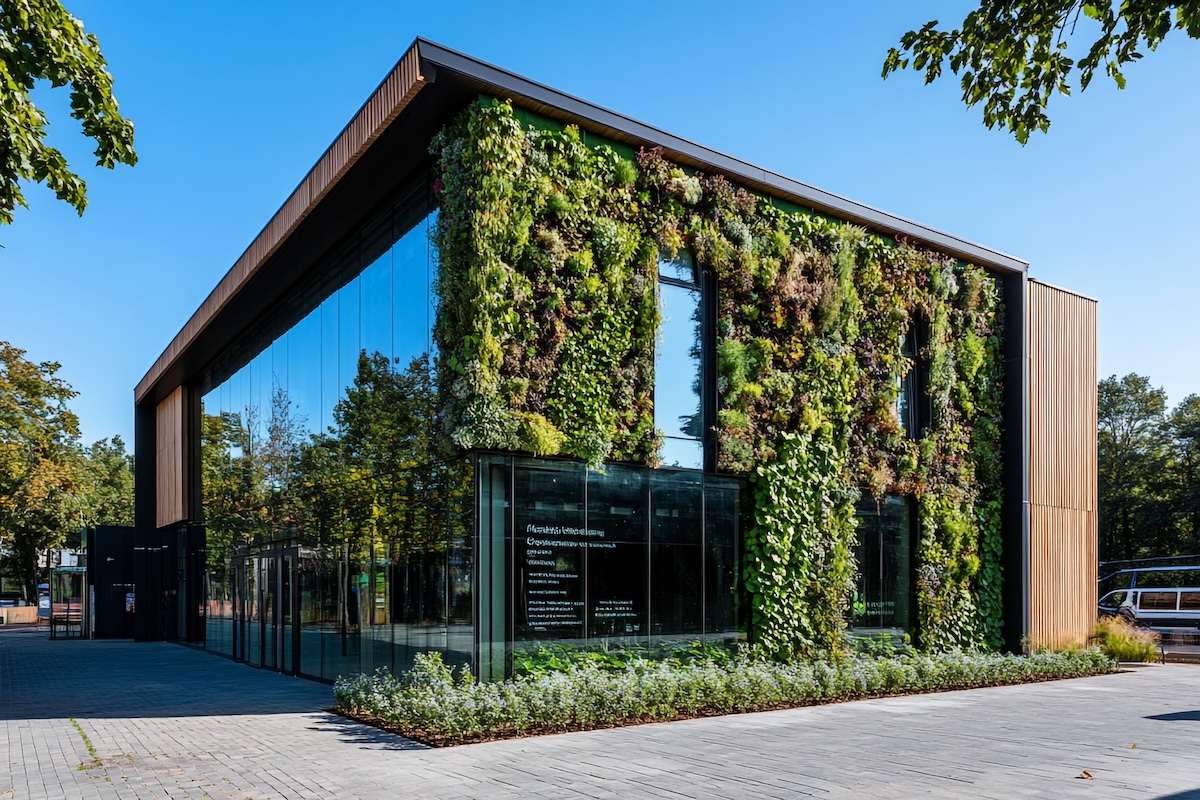
The main objective of sustainable architecture is to design and build buildings and spaces that are environmentally friendly, and that promote long-term sustainability. This involves considering beyond the environmental impact of the materials and construction techniques used, that is, energy consumption, efficiency in the use of water and other natural resources, as well as the health and well-being of the occupants.
The characteristics of sustainable architecture include:
In short, it seeks to promote a balance between the use of natural resources and human needs, to create more sustainable and healthy spaces for people and the planet.
There are several types of sustainable architecture, each with specific characteristics and objectives. Here are a few examples:
Type of architecture Features Objective Passive architecture Use of construction techniques and materials to reduce energy consumption in the house without the need for mechanical systems. It focuses on orienting the house to take advantage of natural light and ventilation, the use of thermal insulation in walls and ceilings, and the design of windows and doors to maximize natural lighting. Bioclimatic architecture Design of buildings that respond to the climatic conditions of the place where they are located, using natural resources to heat the interior of the house. Achieve a pleasant and comfortable temperature inside the house, minimizing the use of air conditioning systems. Biomimetics Design approach that is inspired by nature to create more efficient and sustainable buildings and systems. The idea is to use nature as a source of inspiration to solve design problems, from the level of form to the level of materials and construction systems. Create buildings and systems that mimic the efficiency and resilience of natural ecosystems, while promoting the connection between human beings and nature.
If you want advice on your next construction project, write to us, we are an expert consultant in sustainability.
Leaf Global. Copyright © 2026. All rights reserved.