César is an architect specializing in bioclimatic design and sustainability in buildings. Throughout his career he has successfully worked with multidisciplinary teams and managed a portfolio of more than 350 projects worldwide, mostly in Latin America.
The Coastal El Niño is expected to remain extraordinary through February 2027. Here are 7 design measures that reduce the risk of heavy rain, flooding and extreme heat for a real estate project, and how they connect with EDGE, LEED and WELL.
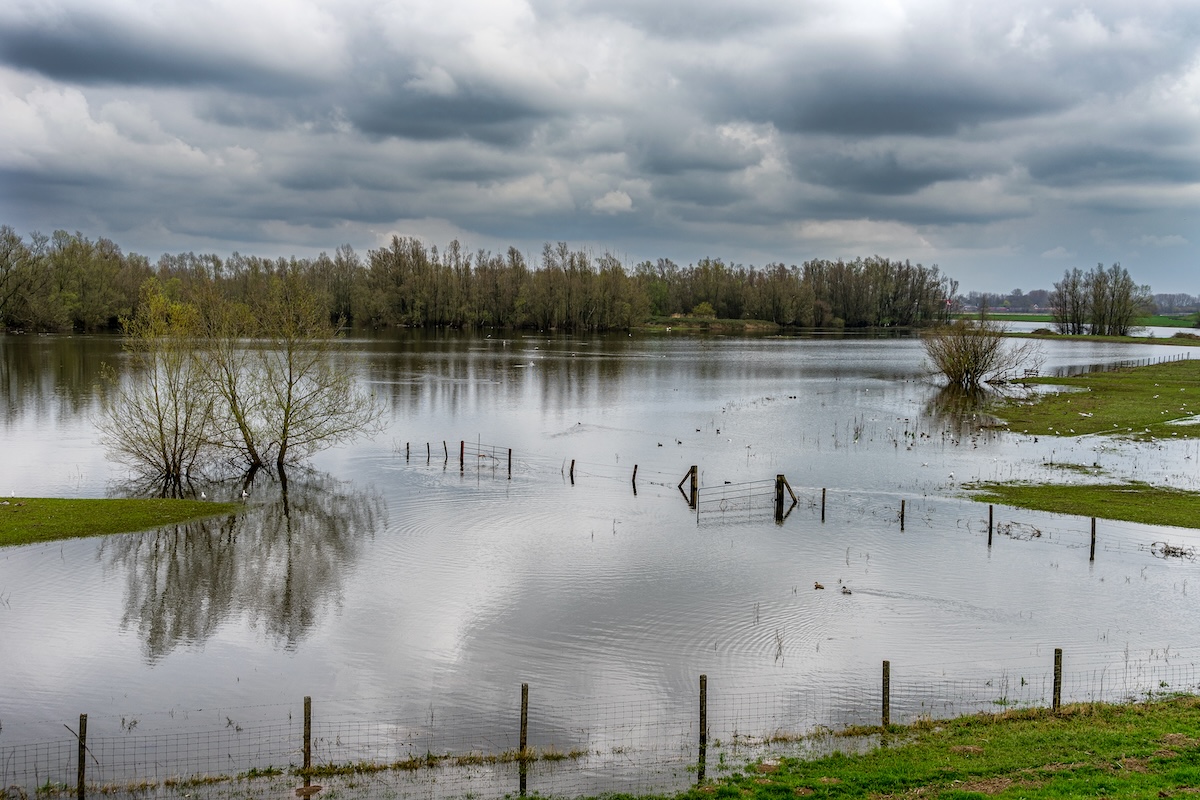
The latest statement from ENFEN, Peru's official El Niño monitoring committee (November 13, 2026), confirms what many developers feared: the Coastal El Niño is expected to remain at extraordinary magnitude through February 2027 and stay active until early winter that year. Above-normal rainfall is forecast for the northern and central coast, rivers such as the Tumbes and Piura are running well above their usual flow and, from January, the Rímac, Chillón, Lurín, Pisco and Ica rivers are expected to rise. Add to that anomalous swells, a higher risk of coastal erosion and temperatures that could break records next summer.
For a real estate project, this is not just climate news: it is a construction, operational and asset-value risk. The good news is that much of that risk can be managed at the design stage. Here are seven measures that protect a project against El Niño and that are also the same ones that drive sustainable building certifications.
1. Understand the site before designing
The first line of defense is knowing where you build. A solid site analysis reviews proximity to ravines and riverbeds, the site's elevation relative to flood-prone areas, the water table, soil type and, for projects near the ocean, exposure to swells and erosion.
That information shapes key decisions: raising the finished floor level, avoiding basements where the water table is high or reinforcing their waterproofing, and placing entrances and ramps so they do not turn into water channels during heavy rain.
2. Stormwater drainage sized for extreme rainfall
Across much of Peru's coast, buildings are designed as if it never rained: flat roofs with no slope, no gutters and undersized downpipes. When El Niño arrives, water pools, leaks and damages finishes, systems and structures.
Sloped roofs, adequate gutters and downpipes, drains in courtyards and parking areas, and a safe outlet for water are a small investment compared with the cost of repairs afterwards.
3. Permeable surfaces and green infrastructure
Every square meter of concrete sends more water to streets and drains that are already overwhelmed. Permeable paving, rain gardens, well-draining green areas and green roofs hold back part of the water, reduce runoff and relieve the drainage system of both the building and its surroundings.
As a bonus, these surfaces reduce the heat island effect, which matters a great deal given the temperatures forecast for summer 2027.
4. An envelope that keeps water out
Heavy rain and persistent humidity put roofs, walls and window frames to the test. A well-designed envelope includes waterproofing for roofs and exposed walls, overhangs and drip edges that keep water off the façade, proper seals on windows and joints, and materials that resist moisture and mold.
This protects the structure, prevents post-sale complaints and preserves indoor air quality, a key factor for occupant health.
5. Passive design to cope with heat
ENFEN forecasts temperatures well above normal along the entire coast. A building that relies solely on air conditioning becomes expensive to run and fragile when power fails.
Proper orientation, solar shading on façades, cross ventilation, roof insulation and high-reflectance roofing keep interiors cooler with less energy. These measures are set at the design stage and are very hard to fix later.
6. Water and energy with backup
El Niño can bring water and power outages, whether from network damage or pressure on reservoirs. A better-prepared project combines:
- Water efficiency: low-flow fixtures so reserves last longer.
- Storage and reuse: properly sized cisterns, rainwater harvesting and greywater reuse for irrigation or toilets.
- Energy efficiency and on-site generation: efficient lighting and equipment, solar panels and backup for critical loads such as pumps, elevators and emergency lighting.
7. Protected critical systems
Many buildings are knocked out of service not by structural damage but because water reached the electrical room or pump room. Placing switchboards, transformers and key equipment above the likely flood level, installing backflow valves on drains to stop water coming back from the public sewer, and protecting ducts and manholes shortens recovery time after an event.
The 7 measures at a glance
What El Niño has to do with certifications
Several of these measures are not an extra cost if the project is already pursuing a sustainable certification. LEED assesses site analysis, stormwater management and heat island reduction. EDGE requires measurable water and energy savings, which means reserves that last longer and less reliance on the grid. WELL and Fitwel focus on thermal comfort, humidity and air quality. In other words, the path to certification and the path to resilience overlap.
Leaf's role
At Leaf, we support developers and investors from the earliest design decisions through final certification. We review the project with a technical eye to identify which measures add efficiency, which reduce climate risk and how to document them for EDGE, LEED, WELL or Fitwel.
If your project is in design or about to break ground, now is the best time to build these measures in. Let's talk.
Source: ENFEN Official Statement of November 13, 2026. This article is for information only and does not replace each project's technical studies.