MSc in Mechanical Engineering from USP/EESC (Brazil), holding LEED AP BD+C, LEED AP O+M, LEED Green Rater and EDGE Expert credentials. 12 years of experience in LEED certification consulting.
The 2026 Coastal El Niño is bringing heavy rain to the north, record heat to the coast and drought to the south. Here is why the same decisions that make a building sustainable also prepare it to withstand extreme weather.
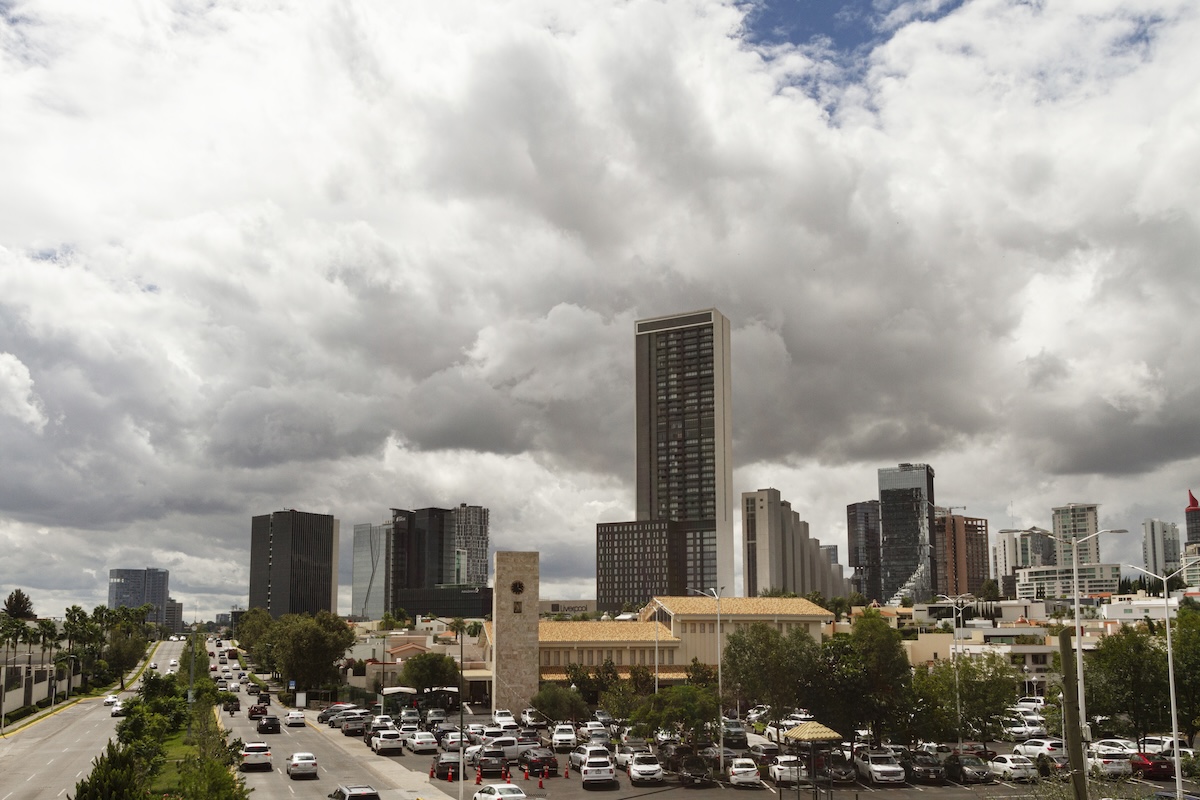
Peru is once again watching the ocean with concern. According to ENFEN, Peru's official El Niño monitoring committee, the Coastal El Niño that began in March 2026 could maintain an extraordinary magnitude through February 2027 and may even last into the southern autumn of that year. Rains on the northern coast arrived early, in October; the Tumbes River tripled its flow in a matter of days; and cities such as Paita and Callao have recorded temperatures 5 to 8 °C above normal. Meanwhile, the southern Andes are bracing for the opposite: drought.
We already know the cost of being unprepared. The 2017 Coastal El Niño destroyed more than 63,000 homes and damaged over 350,000, and the 1997-98 event caused estimated losses of US$3.6 billion. Much of that damage was concentrated in buildings and infrastructure that were never designed for the climate we face today.
The good news is that the strategies that make a building sustainable (water and energy efficiency, good passive design, durable materials and proper site management) are largely the same ones that make it resilient to extreme weather events.
For years, sustainable construction was explained almost entirely in terms of savings: less energy, less water, fewer emissions. All of that is still true, but El Niño highlights another equally important benefit: a building that relies less on external resources and is designed for its climate keeps working when that climate turns hostile.
A resilient building is one that can withstand an extreme event, keep operating during it and recover quickly afterwards. Here is how sustainability helps on each front.
El Niño brings both extremes to the same country. In the north, heavy rains overwhelm drainage systems and cause flooding. In the south, water shortages put pressure on supply.
This event's temperature anomalies are no minor detail. More heat means higher cooling demand, peaks in electricity use and greater health risks for the people who live or work in the building.
Rain and flooding damage transmission lines, substations and access roads. An efficient building, ideally with on-site generation such as solar panels, can keep critical services running longer: lighting, water pumping, refrigeration and communications.
Sustainable building certifications and best practices require a site analysis: flood risk, proximity to ravines, soil type and connectivity. Add durable, moisture-resistant, low-maintenance materials, and the building lasts longer and costs less to repair after an event.
Certifications such as EDGE and LEED are more than an environmental label. By requiring measurable water and energy efficiency targets, plus criteria for site, materials and indoor quality, they push projects toward decisions that also protect them from the climate. Health certifications such as WELL and Fitwel add a focus on thermal comfort and air quality, both critical when the heat sets in. For investors, developers and owners, this translates into assets with lower operational risk, lower maintenance costs and greater long-term value.
El Niño is not an isolated event: it is part of a changing climate that will keep testing Peru and the entire region. Every project designed today will stand for decades and face many more episodes like this one. Building sustainably is, in practice, building with that future in mind.
At Leaf, we support developers and owners throughout the certification process, from the earliest design decisions to final documentation, so that every efficiency strategy also strengthens the asset's resilience. If you are developing a project and want it to be more efficient and better prepared for the climate, let's talk.
Sources: ENFEN and Senamhi statements (2026) and public information on the 1997-98 and 2017 El Niño events.
Leaf Global. Copyright © 2026. All rights reserved.